
It helps your garage door last longer
Garage Door Wear-and-Tear Failure Services
Next Level Garage Service
Think your garage door might be showing signs of wear and tear? Don’t wait until it fails completely.

Wear-and-Tear Failure Services
Your garage door takes a lot of wear from regular use, and over time, those small issues can grow into big, expensive problems. Our professional garage door wear-and-tear failure services help keep your system in optimal condition, protect your security, and prevent sudden breakdowns that throw off your day.
What Do Wear-and-Tear Failures Look Like?
Not every problem screams for help. In fact, many homeowners miss the early signs of garage door wear and tear until something suddenly breaks. That’s why it’s so important to recognize what wear actually looks like. Here’s what to keep an eye (and ear) out for.
Noises That Weren’t There Before
If your garage door used to be quiet but now it grinds, squeaks, pops, or clanks, that’s usually one of the first signs of trouble. These sounds often come from moving parts like worn-out rollers, dry hinges, or aging springs. Over time, normal wear builds up, especially if those parts haven’t been lubricated or adjusted during regular maintenance. If you notice any unusual sounds, it's a good idea to get things checked before they lead to further damage.
The Door Jerks, Tilts, or Gets Stuck
A smooth, balanced door should glide along the track without hesitation. But if it starts shaking or looks crooked, something needs fixing. A misaligned track, frayed cables, or a loose hinge can all throw things out of balance. We see this often in homes where there’s been a history of accidental impacts, like hitting the garage door with the car bumper, or even just bumping it with a bike or trash can.
It’s Hard to Lift, or It Slams Down
Every garage door has springs that help carry the weight. If those springs are worn out or broken, the door will feel heavy and dangerous to lift by hand. Sometimes it won’t stay halfway open, or it drops fast when you let go. This is a safety risk. Additionally, a failing spring puts extra strain on other parts, like your opener, and it makes the whole system harder to control.
Visible Damage and Wear on Parts
If you see frayed cables, rust, sagging panels, or bent metal, you’re looking at clear signs of wear and tear. We’ve come across plenty of jobs where loose hardware or broken cables were ignored for too long, and the result was a garage door that stopped working altogether. Don't wait for something to snap. These types of issues don’t fix themselves, and they only get worse over time.

Benefits of Addressing Garage Door Wear and Tear
Fixing garage door wear and tear early is one of the smartest things you can do as a homeowner. Doing so leads to multiple advantages, including:
Tips to Prevent Wear and Tear
You can’t stop regular wear, but you can reduce its impact. Below, you'll find a few easy preventive measures that help keep things running smoothly:
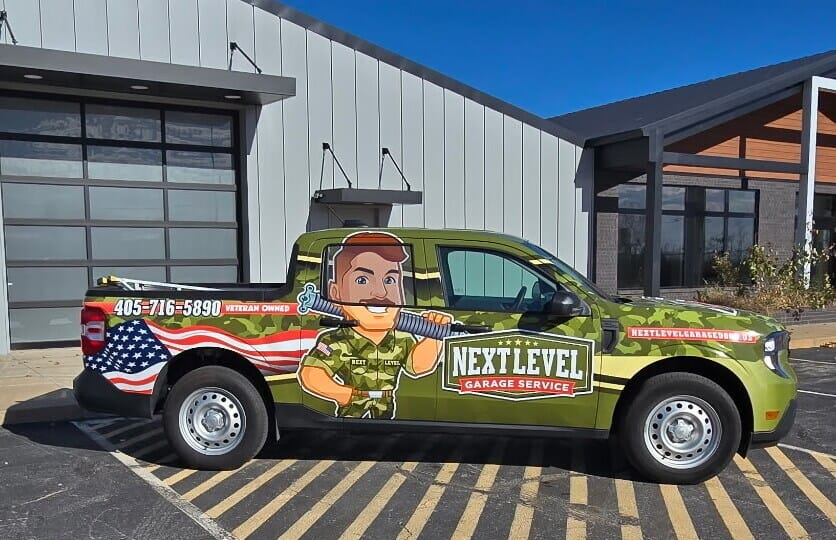
Emergency Wear and Tear Failure Services
Not everything happens on a schedule. If something breaks unexpectedly (your door is stuck open, the cable snapped, or the spring gave out), call us right away. Our team is ready for emergency garage door repair across the Oklahoma City area.
We’ll show up fast, assess the damage, and fix what needs to be fixed so your door works again. With us, you'll get reliable help when you need it most.
We’ll show up fast, assess the damage, and fix what needs to be fixed so your door works again. With us, you'll get reliable help when you need it most.
Our Wear-and-Tear Repair Process
When you choose Next Level Garage Service, expect nothing less than a convenient and effective process. When you book us for a wear-and-tear failure service, we generally follow this process:
We Listen to What You’ve Noticed
You know your garage door better than anyone. So we start by asking what you’ve seen or heard. Maybe it’s getting slower, louder, or feels different when you open it. That helps us zone in on the likely problem areas.
We Inspect Every Moving Part
We take a close look at every component: springs, rollers, cables, brackets, track, hardware, and the opener. We check how the door moves, how it’s balanced, and how the many moving parts are working together (or not). If something’s wearing down or out of place, we’ll find it.
We Show You What’s Actually Going On
We’ll walk you through what we found, providing an honest breakdown of what’s worn out, what needs to be repaired, and what can wait. We’ll explain how those issues affect how your garage door works and how it could impact your family’s safety or your property value if ignored.
We Make the Right Repairs with the Right Parts
Once we agree on the best solution, we get to work. That might mean replacing frayed cables, tightening loose hardware, or realigning the track. If a part’s too far gone, we’ll replace it with one that’s rated for your door’s size and weight.
We Lubricate and Adjust as Needed
We don’t just fix what’s broken—we clean, oil, and adjust all the moving parts so your garage door works better than it has in a while. You’ll feel the difference immediately.
We Test Safety Features and Balance
We make sure the door operates safely, including checking the auto-reverse system and confirming that the door stays put when manually opened halfway. If anything doesn’t pass, we fix it on the spot.
We Clean Up and Explain What We Did
Before we leave, we will walk you through what we fixed, what to keep an eye on, and what you can do to help prevent the same issue from coming back. We'll answer any questions you might have and offer support post-repair.
Ready to get your garage door fixed the right way?
Our expert technicians are here to help with fast, safe, and reliable spring replacement.
Frequently Asked Questions
Have questions about garage door repair or installation? We’ve answered some of the most common concerns. If you don’t see your question here, feel free to contact us anytime for a free estimate.
What's the average lifespan of a garage door?
Most garage doors last about 15 to 30 years, depending on the material, climate, and how well they’re maintained. Steel and composite doors tend to last longer, especially if they get regular use and proper maintenance. But keep in mind that while the door itself may last decades, the moving parts like springs, cables, and rollers usually need attention every few years due to wear and tear.
What is the most common problem with garage doors?
The most common issue we see is worn-out or broken springs. They carry a big amount of tension and wear down with every open-and-close cycle. Frayed cables, misaligned tracks, and loose hardware are also frequent culprits. These types of problems build up slowly from regular use, which is why scheduling timely garage door wear-and-tear failure services makes such a big difference.
Is garage door damage covered by homeowners' insurance?
It depends on the cause. When your garage door gets hit by something like a storm or vandalism, your insurance policy might step in to cover the costs. But if the issue is from normal wear, old age, or lack of maintenance, insurance typically won’t pay. That’s why catching problems early with preventive maintenance is often the smarter (and more affordable) option.
Can I prevent garage door wear and tear?
You can’t stop wear and tear entirely, but you can slow it down. Lubricating moving parts, tightening hardware, and doing a quick visual check each month can make a big difference. We also recommend annual professional tune-ups to catch small issues like broken cables or misaligned tracks before they lead to major damage.
How do I know when it’s time to replace my garage door?
If your garage door has structural damage, doesn’t close properly, or keeps needing repairs, it might be time for a new garage door. Also, if it’s over 20 years old and you’re dealing with frequent security, energy efficiency, or safety concerns, replacement may be the better long-term investment.