
Garage Door Panel Replacement vs Full Door Replacement: How to Make the Right Choice
May 5, 2026
When your garage door takes a hit, the damage usually shows up in one spot first. A dented section, a…


You’re ready to leave, the car is loaded, and the garage door won’t move. You press the button again. Nothing. Now you’re watching the clock and wondering whether this is a quick fix or the beginning of another expensive repair.
The repair vs replace your garage door opener debate comes down to its condition, safety, and cost. At Next Level Garage Service, we help Oklahoma homeowners compare garage door repair, opener services, and installation. Here’s how to weigh age, repair costs, and replacement features before spending money.
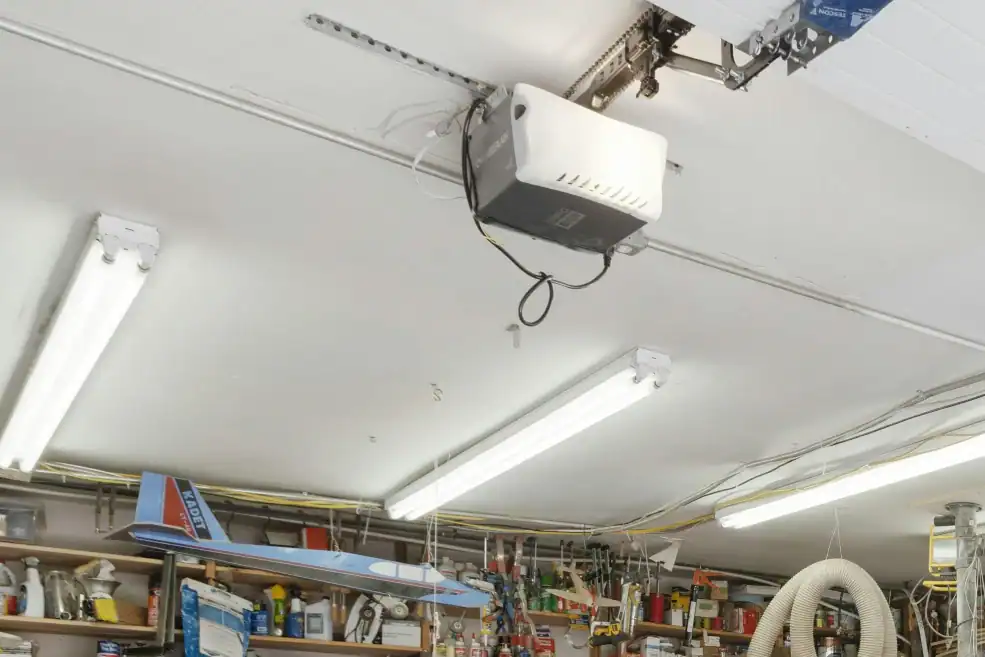
The garage door opener gets blamed for plenty of problems it didn’t cause. Worn rollers, damaged tracks, or broken springs can keep a door from moving correctly. Installing a new one won’t solve those underlying issues.
Your springs counterbalance the door’s weight. When something goes wrong, the motor may struggle because it’s doing work the springs should handle. Older garage doors with neglected hardware can put extra strain on an otherwise usable opener. A working opener should never be used to force a damaged or unbalanced door open.
Start with simple checks: does the wall control work, is the remote battery fresh, and is anything blocking the sensors? If the door is hanging crooked, a cable looks loose, or a spring is broken, stop operating it and arrange an inspection. Leave spring and cable work to a professional.
Our door balancing, spring replacement, and maintenance services address these problems before you spend money replacing equipment that may still be operating properly.
A repair often makes sense when the problem is isolated and the opener is otherwise sound. Misaligned safety sensors, a faulty remote, or a worn replaceable component don’t automatically mean replacement.
For a minor fault on an opener under ten years old, repair is often worth considering first. Age is only a starting point. The opener’s condition, safety features, and parts availability also affect whether repair makes sense.
The key is identifying the fault. A door stopping in the middle of closing could have an obstruction, sensor trouble, or another issue. Guessing at parts adds unnecessary expense.
Has it worked reliably for many years, or have you paid for frequent repairs? One isolated problem may be worth fixing, while constant repairs can make replacement more economical. Keeping a safe, serviceable opener also reduces electronic waste by extending its useful life.
Check the warranty before approving work. Some components may be covered even when labor isn’t. Ask about compatible parts and repair coverage.
Garage door openers typically last about 10–15 years, although maintenance and usage affect that range. Heavy use can shorten service life, while repeated failures may signal that the opener is wearing out. Once a unit passes ten years and keeps failing, replacement may offer better long-term value.
Major motor or electronics problems deserve a price comparison. If parts are unavailable or other components are worn, keeping the old one may offer little value in the long run.
LiftMaster advises upgrading openers made before 1993 instead of investing in repairs, as most were built without external safety devices like photo-eye sensors. Being 10–15 years old, however, doesn’t automatically mean an opener fails applicable safety standards.
An opener that fails its reversal test should stay out of automatic use until corrected. Follow the manufacturer’s testing instructions. Replace equipment if safe operation cannot be restored reliably.
Have unusual noise inspected. Loud grinding may point to opener wear, while rattling could come from door hardware. Find the source first.
Put both estimates on the table. Compare diagnosis, parts, labor, and service charges with a replacement quote covering the model, installation, accessories, removal, and testing.
If a repair estimate comes to a few hundred dollars, compare it with the installed replacement price. An affordable repair completed promptly can be cost-effective when it restores dependable operation.
As a rough budgeting guideline, a repair exceeding 50% of an installed new opener’s price deserves closer scrutiny, especially on an aging unit. This isn’t a manufacturer requirement or an automatic reason to replace.
Add previous repair bills to the comparison. Ask what warranty the new opener provides; motor, parts, accessories, and installation labor may have different coverage periods.
If you haven’t decided between repair and replacement, written estimates can help point you in the right direction.
Modern openers often offer Wi-Fi connectivity, smartphone control, and battery backup. Repairing an outdated unit doesn’t add those features, although some compatible openers accept a smart controller retrofit.
For a garage beside a bedroom, quiet operation may be useful. A belt-drive model can reduce opener noise, but won’t silence worn rollers or loose hardware.
Battery backup can let you operate a compatible opener during a power outage after a storm, provided the battery is charged and functioning. Modern rolling-code security changes the remote’s code with each use, making captured codes harder to reuse.
Look for a residential opener certified to UL 325, with photo-eye sensors and contact reversal protection. Proper installation and testing matter just as much as the equipment.
At Next Level Garage Service, we install LiftMaster openers and help match the equipment to your door size, configuration, and daily needs. We handle setup and testing so convenience doesn’t come at the expense of safety.
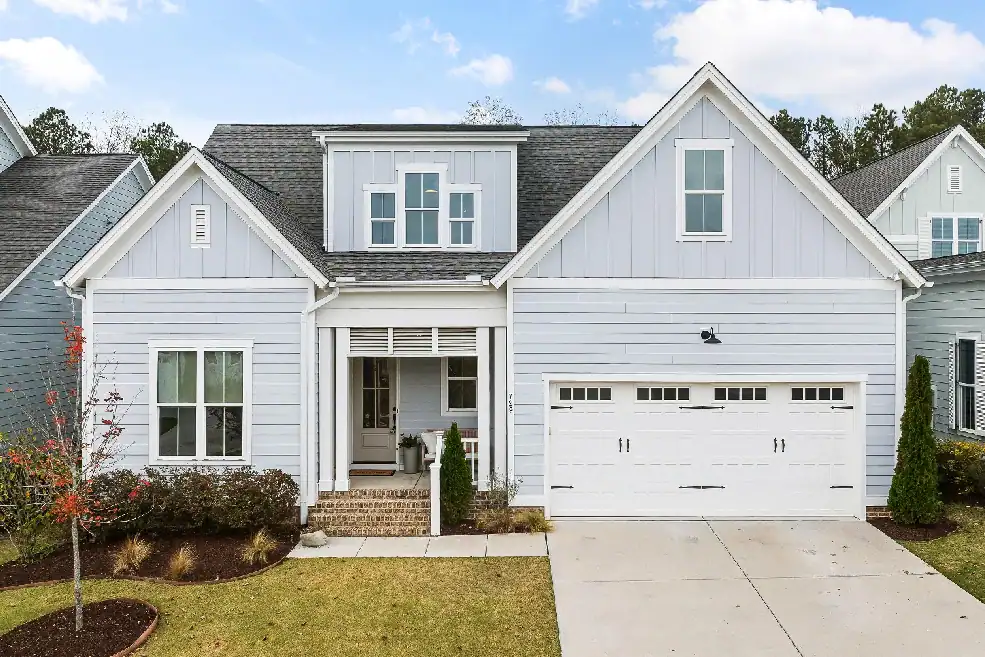
In most cases, an opener problem alone doesn’t require a new garage door. If the existing door is sound and compatible, replacing only the opener may be enough.
Older doors with damaged panels, corrosion, or recurring trouble need a separate assessment. Garage door replacement may make sense when repairs won’t restore performance, or you want better insulation and curb appeal. An older installation may also have outdated opener safety equipment.
A new door is a different investment from a new door opener. Garage door replacement may improve curb appeal, but a high ROI isn’t guaranteed for every home. Replacing only the opener won’t change how the door looks.
We also install Clopay doors, including steel options, when the door itself needs replacing. You don’t have to replace your garage door simply because the opener has failed.
Compatibility depends on the model. Your keypad, vehicle buttons, and remotes may need programming or replacement, even within the same brand.
Confirm which accessories and battery backup options are included, and whether smart functions require an account or subscription.
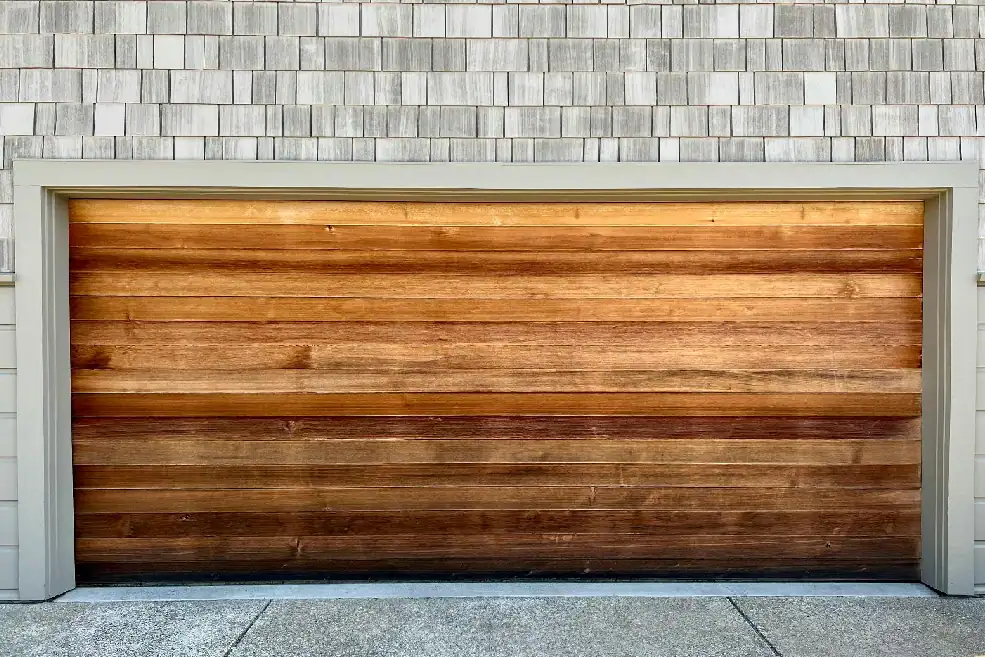
Proper maintenance helps catch wear and tear before a breakdown. Extreme weather can accelerate deterioration of exposed garage door components. In Oklahoma City, weather-related damage should factor into the repair assessment rather than assuming age caused every problem.
Keep sensors clear and follow your owner’s manual for routine care and safety testing. During maintenance, our team checks roller wear, track alignment, sensor positioning, and opener response. Addressing these details helps protect the equipment and keeps the vehicle entrance working smoothly.
Most people want reliable access to their garage, with a door that opens when needed and closes securely afterward.
Contact Next Level Garage Service at (405) 584-6593 for an estimate. We’ll assess the problem, explain your repair and replacement options, and help you choose a solution that fits your home, budget, and daily routine.


