
Why Won’t My Garage Door Close? Expert Garage Door Repair in OKC
December 19, 2025
When your garage door won't close, you face more than inconvenience. Your car sits trapped, your home stays exposed, and…

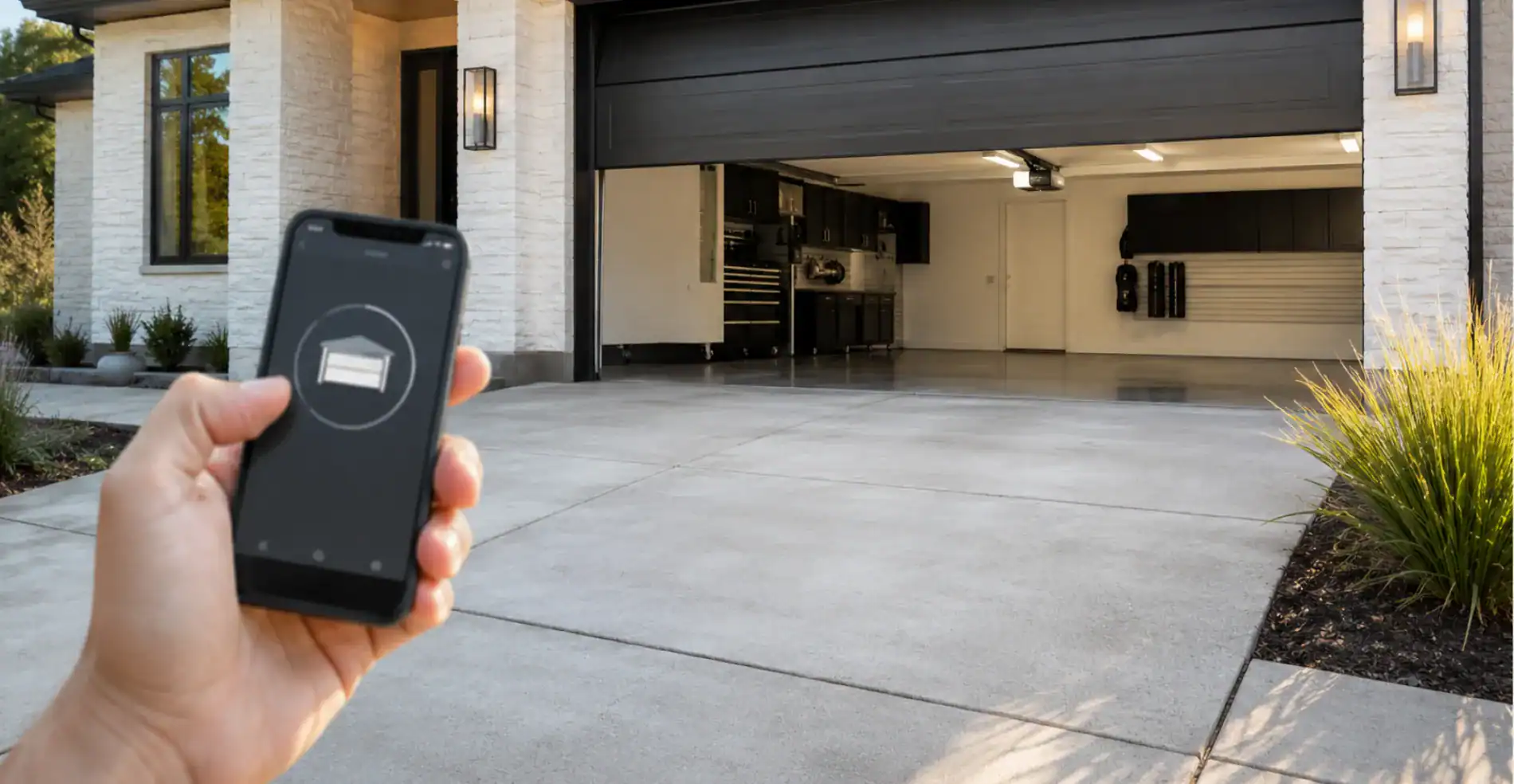

Choosing a new garage door opener sounds simple until you start comparing drive types. One uses a belt, another uses a chain, and both promise reliable performance. The real question is whether quieter operation, lower maintenance, or a lower upfront cost matters more for your garage.
When homeowners compare different types of garage door openers, belt drive vs. chain drive is one of the most common decisions. Is it attached to the house? Is there a bedroom or home office above it? How heavy is the door? How often is it used?
At Next Level Garage Service, we install, repair, and replace door openers for residential garages, so we look at the complete garage door system before recommending an opener type. Both belt drive openers and chain drive models can be a solid choice. The right garage door opener depends on your door, budget, home layout, and priorities.
The main difference is what moves the trolley along the opener rail. A chain drive opener uses a metal chain, similar in concept to a bicycle chain. A belt drive uses a flexible, reinforced rubber belt, often strengthened with steel. That difference affects noise, vibration, maintenance, and cost.
A belt drive garage door opener is usually the best bet when low noise and smoother operation matter most. With less metal-on-metal movement, it creates less vibration and is especially useful for attached garages or garages near living spaces.

Close-up of a reinforced toothed belt and drive pulley mechanism
A chain drive garage door opener is often appealing to budget-conscious homeowners who want proven durability at a lower price. The choice depends on noise levels, door size, motor power, maintenance, smart features, and cost.

Close-up of metal chain drive mechanism similar to a chain drive garage door opener
| Feature | Belt Drive | Chain Drive |
|---|---|---|
| Noise | Quieter | Louder |
| Operation | Smoother | More mechanical |
| Typical cost | $160–$350 | $150–$250 |
| Typical lifespan | 15–20 years | 10–15 years |
| Maintenance | Minimal | More frequent |
| Vibration | Less | More vibration |
| Attached garage | Excellent | Can be noisy |
| Detached garage | Good | Excellent value |
| Smart features | Available | Available |
These are general ranges. Brand, usage, installation quality, and the condition of the garage door can all affect performance.
A chain drive system uses a metal chain running along a rail. When the motor turns, the chain moves a trolley connected to the door. That trolley pulls or pushes the garage door as it opens and closes. The basic concept is similar to a bicycle chain transferring motion.
That metal construction contributes to proven durability, but it can also create more noise and vibration. Over time, the chain may loosen and require adjustment.
For a detached garage, workshop, or other utility spaces where noise matters less, a chain drive garage opener remains a practical choice. For many homeowners focused on cost, this familiar drive garage setup works well.
A belt drive garage door opener uses the same basic motor, rail, and trolley arrangement, but a belt replaces the chain.
Modern belt drive models commonly use a steel-reinforced rubber belt designed for repeated use. The rubber belt means there is less metal-on-metal contact, which helps create smoother operation and less vibration. That does not make the entire garage silent. Rollers, hinges, springs, tracks, and loose hardware can still produce noise.
At Next Level Garage Service, we check the whole system when a homeowner complains about a noisy opener. Sometimes the opener is the issue. Other times, worn rollers or loose hardware are the real cause.
For most homeowners, belt drive wins when sound is the deciding factor. A metal chain naturally creates more mechanical sound than a flexible belt. A belt-drive garage door opener also transfers less vibration into the framing around the garage.
That difference matters more when the garage sits under bedrooms, nurseries, or home offices. If someone leaves early in the morning or comes home late, quieter operation can make a noticeable difference.
A chain drive does not automatically mean noisy operation. A newer unit connected to a balanced, properly maintained door can still run fairly smoothly.
Still, if noise matters, a belt drive is usually the right choice.
Chain drives are often associated with heavy doors, but the drive material alone does not determine lifting ability.
Residential garage doors can weigh well over 100 pounds, and larger insulated, wood, custom, or oversized doors can weigh considerably more.
The opener is not supposed to lift all that weight by itself. A properly balanced spring system offsets much of the weight.
Most residential garage doors can work well with either belt or chain drive garage door openers when the system is properly matched to the door.
For heavier garage doors and heavier loads, pay attention to motor power, manufacturer ratings, spring condition, and door balance.
At Next Level Garage Service, we check these other factors before recommending a new opener. If a door feels unusually heavy, the problem may be with the springs or balance rather than the opener.
Both systems require maintenance, but chain drives usually need more maintenance at the drive mechanism.
Maintenance requirements vary by opener. Some chain-drive systems require periodic lubrication or adjustment, while others are designed so the opener itself needs little additional lubrication. Always follow the maintenance schedule in the manufacturer’s manual.
Because the drive uses exposed metal, chain systems may also develop corrosion in high-moisture environments if neglected.
Belt drives require less direct attention. There is no drive chain to lubricate, so they generally involve less upkeep and very little maintenance at the drive itself. That makes belt drive appealing for homeowners who want a low-maintenance or minimal-maintenance setup.
However, less maintenance does not mean no maintenance. Belt wear can still occur, and the rest of the garage door still needs attention.
There is no exact lifespan for every garage door opener, but general ranges can help. As a general industry estimate, a chain-drive opener may last around 10 to 15 years, while some well-maintained belt-drive systems may reach 15 to 20 years.
Usage makes a difference. A garage door that opens twice a day experiences far less wear than one used as the household’s main entrance.
Door balance matters too. An opener constantly fighting a poorly balanced door may fail earlier regardless of drive type.
Warranty coverage varies by model. Some premium belt-drive openers include long or even lifetime belt warranties, so it is worth comparing the actual warranty before buying.
Cost is one of the clearest key differences. As a general equipment range, chain-drive openers cost about $150 to $250, while belt-drive openers often range from $160 to $350 before installation. That makes chain drive attractive to budget-conscious homeowners.
If your garage is detached and sound is not important, paying more for quiet operation may not provide much practical benefit.
Belt drive costs more upfront, but many homeowners accept the higher price for lower noise, smoother movement, and less maintenance.
Final pricing also depends on battery backup, cameras, lighting, Wi-Fi connectivity, smart home integration, motor capacity, and installation requirements.
For an attached garage, the appeal of a belt drive is pretty straightforward: less vibration, smoother movement, and less mechanical noise inside the house. That is why many homeowners choose one when bedrooms or home offices are nearby.
A belt drive also works well for families that use the garage as their primary entrance. When the door opens several times a day, smooth and quiet operation becomes something you appreciate.
Many current belt systems also include smart technology, battery backup, and Wi-Fi connectivity.
Chain drive still makes sense in many residential garages.
A detached garage, workshop, storage building, or utility space may not need the lowest possible noise level. If the extra sound is not bothering anyone inside the house, a chain drive can provide dependable performance while helping keep the opener budget down.
Modern chain models can include many of the same smart features as belt models, including smartphone controls, battery backup, lighting, and smart home integration.
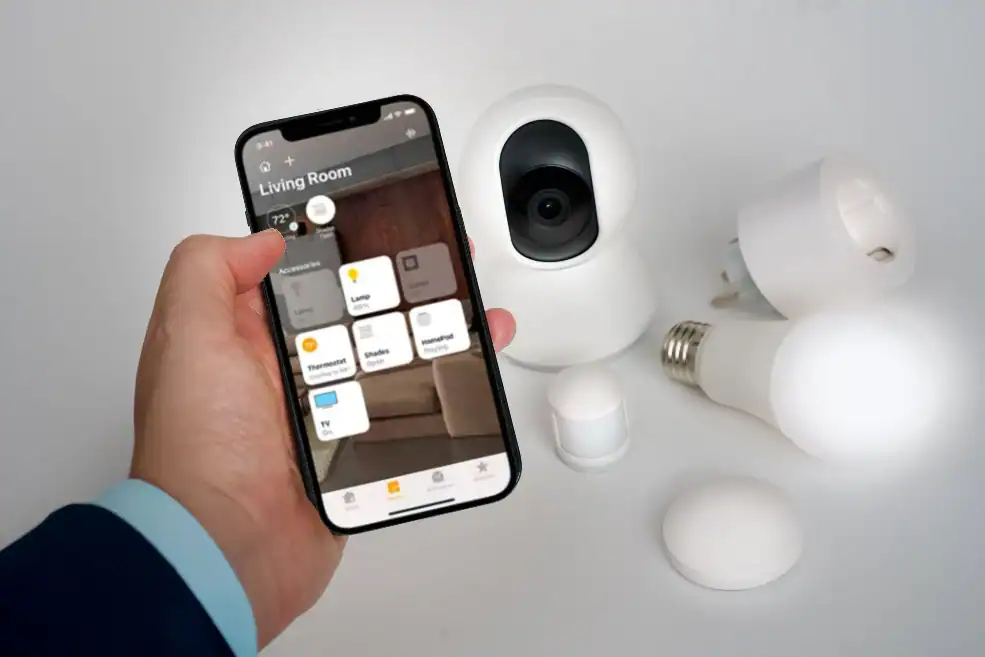
The important thing is matching the opener to the garage, not assuming the more expensive option is automatically better.
Oklahoma City experiences noticeable seasonal temperature swings, from freezing winter weather to intense summer heat.
Temperature extremes can affect batteries, lubricants, electronics, and how some components operate. During cold weather, lubricants may behave differently, and metal components can contract slightly.
Modern steel-reinforced belts are designed for repeated residential use, but temperature, moisture, age, and the specific opener model can still affect performance.
If the opener becomes sluggish, sounds different, or begins reversing unexpectedly, it is worth having the system inspected before the problem gets worse.
Belt versus chain is important, but it is not the only decision you are making. Many newer garage door openers include smart technology that lets you check whether the garage is open, operate the door from a phone, receive alerts, or connect with compatible smart-home systems. Battery backup can also keep the opener usable during a power outage.
When we help homeowners compare openers at Next Level Garage Service, we also consider motor power, lighting, security features, remotes, keypads, Wi-Fi connectivity, ceiling clearance, and door condition.
The goal is not simply choosing between a metal chain and a rubber belt. It is choosing the right garage door opener for the complete system.

If quiet operation is your priority, belt drive is usually the best bet. It works especially well for attached garages and homes with occupied rooms nearby.
If cost matters more and the garage is detached or away from living spaces, chain drive can be a solid choice.
For a heavy or oversized door, do not decide based on belt versus chain alone. Motor capacity, spring balance, and manufacturer ratings matter just as much.
Next Level Garage Service provides garage door opener installation, replacement, repair, tune-ups, and complete garage door service. We can inspect your setup and help you make an informed decision based on the door you actually have.
The choice depends on your priorities. Belt drive is generally better when low noise and less maintenance matter. Chain drive is often better when upfront cost and proven durability are the main concerns.
Yes, in general. The reinforced rubber belt reduces the metal-on-metal movement found in a chain drive system. Actual noise levels still depend on the opener and condition of the garage door.
As a general industry estimate, chain-drive openers often last around 10–15 years, while some well-maintained belt-drive systems may reach 15–20 years.
It depends on the model. Some chain-drive openers need periodic lubrication or adjustment, while others do not require additional opener lubrication. Follow the manufacturer’s maintenance schedule for your specific unit.
Yes. Modern chain drive models can include battery backup, Wi-Fi connectivity, smartphone controls, cameras, lighting, and other connected features.
The key differences between belt drive vs chain drive garage door openers come down mainly to noise, vibration, maintenance, lifespan, and price.
A belt drive provides quieter, smoother operation with less upkeep. A chain drive offers a time-tested design, proven durability, and generally a lower upfront cost.
If you are replacing an aging opener or dealing with noisy operation, Next Level Garage Service can inspect the system and recommend an opener that fits your garage door. Just call us at (405) 584-6593. Proper installation, door balance, and ongoing maintenance matter just as much as choosing between belt and chain.


