
Garage Door Roller Replacement: A Guide to Smoother, Quieter Operation
September 27, 2026
A garage door that rattles, shakes, or sounds like it is dragging a toolbox across the ceiling is trying to…
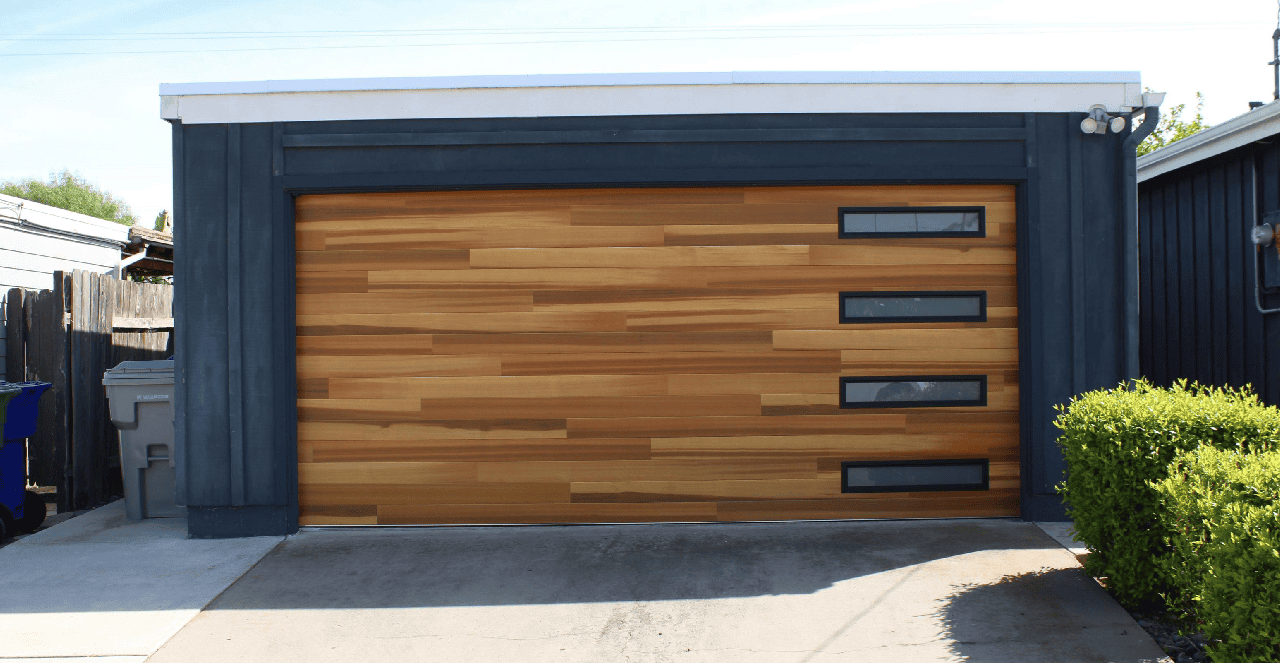


Garage door noise may seem like a small problem at first. Maybe your garage door makes squeaking sounds in the morning, grinding noises when it moves, or banging noises when it closes. But a noisy garage door is often a sign that something in the garage door system needs attention.
Your garage door has many moving parts, including rollers, hinges, springs, tracks, cables, and the garage door opener. When these garage door parts become dry, loose, worn, or damaged, the door may no longer operate smoothly. That is when unusual sounds usually begin.
Some noise issues are minor, such as loose hardware or dry parts that need lubrication. Others can be more serious, such as broken springs, misaligned tracks, worn rollers, or an unbalanced garage door that may become unsafe to operate. Ignoring these sounds may lead to further damage, bigger repairs, or even safety hazards.
Once you know what the sound means, it is easier to decide whether a quick tune-up is enough or it is time to call a pro.
Different door sounds can point to different common garage door problems. A squeak is not the same as a bang, pop, or grind.
Squeaking often means the moving parts need lubrication or inspection. Hinges, rollers, bearings, and garage door springs can make noise when they dry out. Using a garage-door-rated silicone spray or white lithium grease on the right moving parts can help reduce friction and make the garage door quieter.
Avoid adding grease directly into the tracks. Grease can attract dirt, dust, and debris, which may make the door louder over time.
Grinding sounds or grinding noises may mean that metal parts rub where they should not. This can happen because of worn rollers, steel rollers, flat spots, misaligned tracks, or other track issues.
If the noise continues after basic cleaning and lubrication, the door should be checked by a professional technician.
A rattling garage door is often caused by loose hardware. Loose nuts, bolts, brackets, or hinges can vibrate when the door opens or closes. Some loose hardware can be tightened carefully, but anything connected to garage door springs, cables, or high-tension parts should be left to a professional.
Banging noises or loud bangs can point to a more serious issue. The cause may be broken springs, an unbalanced door, loose hardware, worn components, or improper installation.
If the door suddenly makes a loud bang and becomes heavy or will not open, stop using it. Broken springs can make the door extremely heavy, unpredictable, or unsafe to operate.
Popping sounds may come from temperature changes, shifting panels, worn-out parts, or spring tension problems. If the popping comes with uneven movement or a loud garage door, schedule garage door service before the issue causes further damage.
Many moving parts in a garage door system require lubrication. Hinges, rollers, springs, bearings, and opener chains need care to support smooth operation and quiet operation.
For lubrication, garage door maintenance requires only a small amount of silicone spray or white lithium grease on the proper moving parts. Wipe away extra with a clean cloth. Too much lubricant can attract dirt and create more noise issues.
Worn rollers are one of the most common reasons for a noisy garage door. Rollers help the door move along the tracks. When they crack, rust, wobble, or develop flat spots, the door may shake, scrape, or grind.
Older steel rollers are usually louder because they create more vibration. Nylon rollers are often a better choice for a quieter garage door. They can help reduce noise, support smoother movement, and may need less maintenance.
A garage door opens and closes many times over the years. That movement can loosen nuts, bolts, brackets, hinges, and other components. Loose hardware can create rattling, clanking, or shaking sounds.
Basic tightening may help, but avoid adjusting anything near torsion springs, cables, or bottom brackets because these parts are under high tension.
Sometimes the noise comes from the garage door opener, not the door. A loose chain, worn gears, an old motor, or a loose opener bracket can make the system louder.
Chain-drive openers are strong and dependable, but they are often noisier than belt-drive openers.
An unbalanced garage door can strain the opener and other garage door parts. You may notice uneven movement, shaking, banging, or excessive noise.
An unbalanced door should be inspected by a professional technician because the repair often involves garage door springs and spring tension.
Misaligned tracks can cause scraping, grinding, or uneven movement. If the rollers are not moving properly through the tracks, the door may become louder and harder to operate.
Forcing the door can damage other components, so it is best to schedule professional repair if you suspect track issues.
Fixing noisy garage doors starts with a simple check. Listen to where the noise is coming from and watch how the door moves. Does it shake? Does it scrape? Does it close too fast? Does the garage door opener sound strained?
For basic maintenance, you can: Clean the tracks with a clean cloth, tighten visible loose hardware, and lubricate hinges, rollers, springs, and other moving parts. These steps can often make the garage door quieter and help it operate smoothly.
However, if the noise continues, do not keep forcing the door. The issue may involve worn rollers, misaligned tracks, broken springs, an unbalanced garage door, or a failing opener. In that case, the best fix is professional garage door service.

Some DIY repairs are safe for homeowners. Cleaning the tracks, applying lubricant, and tightening basic bolts can help reduce noise.
But some repairs should never be DIY. Garage door springs, torsion springs, cables, bottom brackets, and balance adjustments are under high tension. A mistake can cause serious injury or make the door fall suddenly.
Call a professional technician for broken springs, uneven movement, loud bangs, worn components, opener problems, misaligned tracks, or any repair that feels unsafe.
The best way to prevent a loud garage door is regular maintenance. Regular garage door maintenance helps catch worn-out parts before they cause bigger repairs.
At least once or twice a year, check for loose nuts, worn rollers, dry metal parts, track issues, and unusual sounds. Keep the tracks clean, lubricate moving parts, and pay attention when the garage door opens or closes.
You can also reduce noise by upgrading to nylon rollers, choosing belt drive openers, or installing insulated doors. These options can make your garage door quieter and help it operate more smoothly.
Schedule garage door repairs if you hear loud bangs, grinding noises, popping sounds, or excessive noise. You should also call for service if the door moves unevenly, gets stuck, falls suddenly, or the garage door opener struggles.
A noisy garage door may seem minor, but it can be a warning sign. The sooner the problem is fixed, the less likely it is to cause further damage.
If the door is still in good shape, repair is usually the first place to start. Lubrication, roller replacement, opener adjustment, or tightening loose hardware may restore quiet operation.
Replacement may be better if the door is old, damaged, poorly installed, or has many worn-out parts. A new garage door system with nylon rollers, insulated doors, and a quieter opener can improve performance and reduce noise long term.
A trusted overhead door company can inspect your system, explain what is causing the noise, and recommend the best fix.
A loud garage door is often caused by worn rollers, loose hardware, poor lubrication, misaligned tracks, opener issues, or an unbalanced door.
Grinding noises may come from worn rollers, steel rollers, flat spots, track issues, or metal parts rubbing together.
It is better to use silicone spray or white lithium grease made for garage door parts. Avoid greasing the tracks because it can attract dirt.
Yes. Nylon rollers are usually quieter than steel rollers and can help reduce noise and vibration.

Call a professional technician if the noise continues, the door moves unevenly, you hear loud bangs, or you suspect broken springs, cable issues, or track problems. They should be able to help restore smooth operation of your garage door.
Garage door noise is not something you have to live with. Whether the issue is loose hardware, worn rollers, dry moving parts, broken springs, a loud garage door opener, or an unbalanced garage door, the right repair can help restore safe operation and smooth movement.
At Next Level Garage Service, our licensed and insured team handles garage door repairs, regular maintenance, opener service, spring repair, roller replacement, and full system inspections. If your garage door makes unusual sounds or the noise continues after basic maintenance, schedule garage door service with us at (405) 584-6593 before a small issue turns into a bigger repair.


