
How To Program A Garage Door Opener
October 31, 2025
Programming a garage door opener is one of those home projects that sounds complicated until you actually do it. Whether…

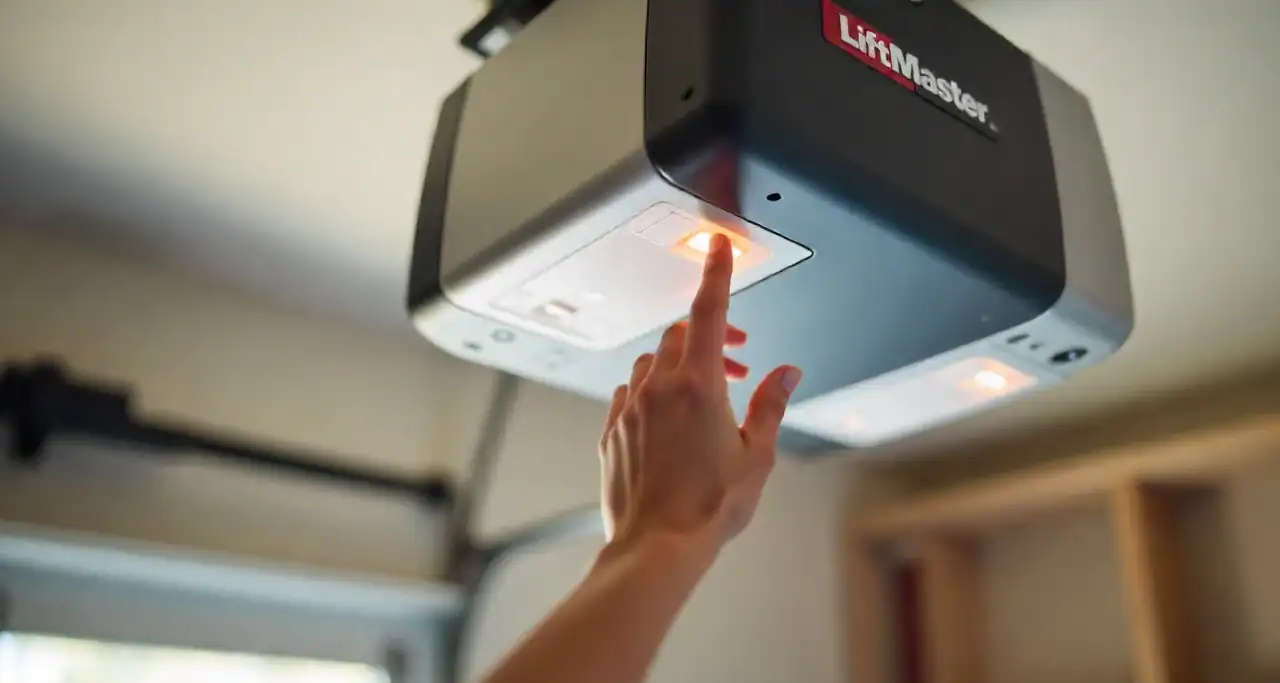

Shopping for a new garage door opener should be simple. Then you see 1/2 HP, 3/4 HP, 1 HP, different drive types, and enough smart features to make the decision feel harder than it needs to be.
Here is how we look at it at Next Level Garage Doors: the right garage door opener horsepower depends on the door in front of us. Door weight, garage door size, material, spring balance, and daily use all matter. We do not recommend an opener based only on the biggest number on the box. We match horsepower to the complete garage door system.
Commonly, residential garage door openers come in three main horsepower levels: 1/2 HP, 3/4 HP, and 1 HP. However, many newer DC models use HP-equivalent ratings or published lifting-capacity limits instead of traditional horsepower measurements. For many homeowners, a 1/2 HP garage door opener provides enough horsepower for a standard single-car door made from lightweight materials. It is often the most affordable option and can provide dependable performance for a lighter, properly balanced residential door.
Heavier or reinforced doors often require 3/4 HP for smooth operation. This medium option can be a practical fit for double garage doors, insulated doors, carriage-style designs, and other heavier systems, provided the opener meets the manufacturer’s specifications. A 1 HP garage door opener or higher horsepower model may be needed for oversized doors, heavy wood construction, or a door that is significantly heavier than average.
More horsepower is not automatically better. An opener may technically lift a heavy door, but that does not mean the system will operate efficiently. The perfect opener matches the actual workload without placing unnecessary force on the system.

Oklahoma City’s high-wind conditions also make door construction an important consideration. This is why homeowners opt for wind-load-rated doors that may need motors rated from 3/4 HP to 1 HP because they have reinforced sections, struts, tracks, and heavier hardware designed to withstand added wind pressure. Remember that opener selection should be based on the door’s actual weight, dimensions, balance, and manufacturer requirements.
When you size garage door opener equipment, start with the following factors: door size, width, height, average weight, material, insulation, and frequency of use.
Lighter doors made from aluminum or basic steel generally need lower horsepower. Aluminum doors can be wide without being especially heavy. Insulated steel, wood overlays, windows, and decorative hardware can add weight. A carriage style door may also be heavier than it looks.
Larger doors often need more power, but width is not the whole story. Double garage doors built from lightweight materials may move more easily than a smaller door made from heavier materials. That is why there is no honest one-line answer to “What size garage opener do I need?”
When we install a new garage door, we can select the opener at the same time, match horsepower, and account for future upgrades.
A 1/2 HP garage door opener is a solid, affordable option for lighter doors and standard residential setups. Among the three common options, it provides the least amount of rated horsepower while still offering dependable performance for many properly balanced doors.
A 3/4 HP garage door opener provides more power for insulated doors, double garage doors, and heavier doors that open several times a day. The added capacity can mean reduced strain and smoother operation. For many homes, it is the practical middle ground between cost and capability.
A 1 HP opener is built for more demanding setups. It may be the right choice for oversized doors, solid wood doors, or doors with added glass and decorative layers. Still, a more powerful opener is not a shortcut around repairs. Higher horsepower will not correct a broken spring, bent track, worn roller, or frayed cable.
Higher-capacity motors can provide more operating headroom for larger doors or busy households that use the garage several times throughout the day. Long-term reliability, however, still depends on correct opener sizing, proper spring balance, professional installation, and regular maintenance.
At Next Level Garage Doors, we inspect the complete setup before recommending a garage door opener and motor size. We would rather match the system correctly the first time than sell you more power you don’t need.
The springs are the muscle of the garage door system. They offset most of the door weight so the door opener can guide the door instead of doing all the lifting.
When a door is not properly balanced, even a powerful opener can sound weak. The door may jerk, stop halfway, close unevenly, or strain the motor. Installing a higher horsepower unit may hide the issue temporarily while putting extra force on worn garage door parts. That can lead to premature wear, repeated repairs, and poor long-term reliability.
Before a garage door opener installation or replacement, our technicians inspect the springs, cables, tracks, rollers, alignment, and safety components. If our technicians find that the disconnected door is difficult to lift or will not remain properly balanced, the answer may be spring service or a balance adjustment—not more horsepower.
Opener horsepower is only one part of the decision. Drive type affects noise, maintenance, available ceiling space, and how the opener feels during daily use.
Chain drive openers are durable and are often the most affordable option. They are a dependable choice for many garages, although the metal chain may create more noise and vibration. Belt-drive openers are popular for attached garages because they generally provide quieter, smoother operation.
Wall-mounted openers sit beside the door instead of hanging from the ceiling. They can free up overhead room for storage or work well in garages with high ceilings. These are different types of garage door openers, but the mounting style does not remove the need to match the opener’s lifting capacity to the door.
Usage matters too. A garage used twice a day has a different workload from one used ten or twelve times. The right opener should have enough horsepower for normal use without being oversized for no reason.
A slow or noisy garage door opener does not always need more power. Worn rollers, loose garage door parts, poor track alignment, weak springs, damaged gears, or skipped maintenance can make a good motor look underpowered.
Watch for humming without movement, repeated stopping, grinding, shaking, or unexpected reversing. These problems can affect convenience and safety, so they should not be ignored.
Next Level Garage Doors provides opener diagnostics, garage door repairs, spring and cable service, maintenance, replacement, and new garage door opener installation. We check the cause before recommending equipment. Sometimes a repair is enough; other times, a new garage door opener is the better long-term fix.

To find the right horsepower, consider several factors together. Check garage door size, door weight, material, insulation, daily cycles, drive type, noise preferences, and future upgrades. Then decide whether you want battery backup, Wi-Fi controls, security lighting, or other smart features.
Battery backup is also worth considering in areas prone to power outages. It allows a compatible garage door opener to continue working for a limited time when household electricity is unavailable, which is especially helpful when the garage is your main entrance.
A lighter aluminum or steel door may work well with a 1/2 HP garage door opener. An insulated steel double door may be better suited to a 3/4 HP opener. A heavy wood or oversized door may require a 1 HP garage door opener or another more powerful opener.
The goal is not simply opening the door. It is to choose an opener that allows the garage door system to operate efficiently without unnecessary strain. With proper balance, quality workmanship, and correct setup, the door should also operate smoothly for the long term.
Still wondering how much horsepower your garage needs? Consult a professional who can inspect the entire setup rather than guessing from a box label.
At Next Level Garage Doors, we install, repair, and replace openers for homes and businesses throughout the Oklahoma City area. Whether you need a basic HP opener, a medium option for a heavier residential door, wall-mounted openers, or a more powerful opener for a demanding setup, we will explain your choices clearly.
Contact Next Level Garage Doors at (405) 584-6593 for a free estimate. We’ll match the opener to your door, handle the installation and setup, test the safety features, and make sure you understand how everything works before we leave.


