
How to Maintain Your Garage Door: Top 8 DIY Tips for Homeowners
September 28, 2025
Modern garage doors are designed to last, but without routine care, even the best ones can fail at the worst…

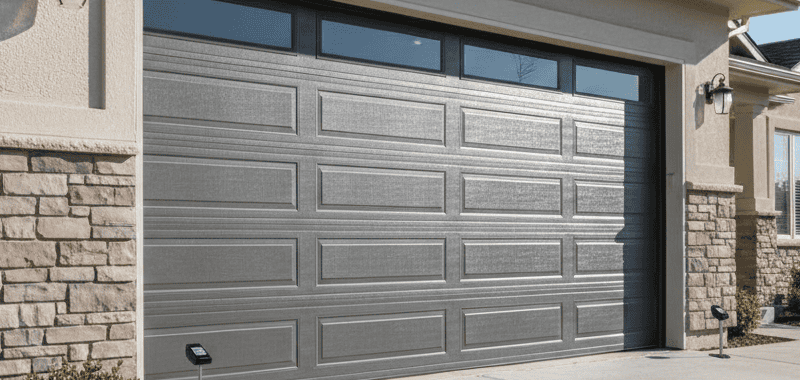
Oklahoma weather can change quickly. A warm afternoon may be followed by cold temperatures, freezing rain, strong winds, or ice overnight. Because a garage door covers one of the largest openings in a home, a little preparation can make a real difference once temperatures drop.
At Next Level Garage Doors, we see winter problems that begin with worn seals, dry hinges, loose hardware, or a strained opener. Learning how to prepare your garage door for winter in Oklahoma can help prevent costly repairs and keep the system working safely through the cold months.
Your garage door matters because it affects more than access to the garage. In attached garages, air leaks around the door edges can allow cold air to enter and warm air to escape. That heat loss may make nearby living spaces less comfortable and cause the heating system to work harder.
A properly sealed and insulated garage door can support better temperature control, lower energy costs, and improved energy efficiency. It may also help reduce heating costs and keep winter energy bills from rising more than necessary.
The aim is not to keep the garage warm like a finished room, but to limit cold drafts, protect stored items, and support reliable operation during extreme weather.
Begin with the garage door closed. Stand inside and inspect the door panels, tracks, rollers, springs, cables, hinges, brackets, and door frame. Look for rust, dents, gaps, worn rollers, cracked parts, or structural damage.
Open and close the door several times. Listen for scraping, grinding, popping, or squeaking, and watch for uneven travel. Cold weather can make existing wear more noticeable as lubricant thickens and metal components become stiffer.
Regular vibration can also loosen hardware. Tighten only safe-to-reach loose bolts and brackets that the manufacturer allows homeowners to handle. Do not adjust springs, cables, or bottom brackets. These parts are under high tension and should be handled by a trained garage door technician. At Next Level Garage Doors, we provide spring replacement, cable repair, panel repair, maintenance, and professional door balancing when an inspection reveals a problem.
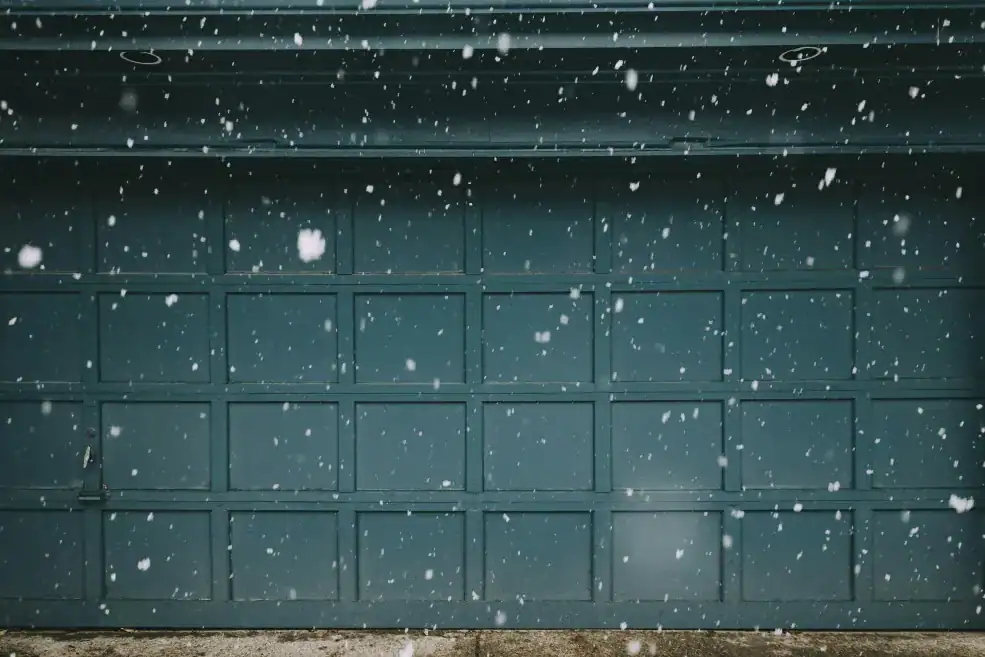
Close the door during daylight and look for light around the sides, top, and bottom. Visible light often means cold air, moisture, or debris can enter.
Inspect the weatherstripping along the door edges and top seals. Cracked weatherstripping, hardened vinyl, missing pieces, or loose sections should be replaced. New weatherstripping should touch the door evenly without preventing normal movement.
The rubber bottom seal, also called the bottom seal, door sweep, or garage door sweep, deserves special attention. If it is brittle, flattened, split, or missing sections, install a new seal. A good door sweep helps block cold drafts, water, dirt, and pests.
A threshold seal may help when the garage floor is uneven or when water moves toward the opening. Small stationary gaps between the door frame and surrounding wall may be filled with exterior-grade caulk.
In attached garages, foam gaskets behind outlet covers may also limit drafts through electrical outlets on exterior walls.
Garage door insulation can be especially useful for attached garages, workshops, laundry areas, or garages beneath living spaces. An insulated door slows heat movement through the door panels and supports steadier temperatures during the winter months.
If the current door is in good condition, insulation kits may be an option. Many kits use rigid foam or polystyrene panels that fit inside the sections. Look for materials with an appropriate R-value, since higher R-values generally provide greater resistance to heat flow.
Added insulation increases the weight of the door, which may affect its balance and place extra strain on the opener. Before installing an insulation kit, confirm that it is compatible with the current door and have the balance checked if needed.
When the current door has poor insulation, widespread panel damage, or repeated mechanical problems, garage door replacement may be the better choice. Next Level Garage Doors installs new garage door systems and helps homeowners compare insulated models based on style, durability, budget, and energy efficiency.
A new garage door with factory-installed insulation and properly sealed edges can provide improved energy efficiency and may help lower heating bills over time.
For moving parts, cold weather maintenance should focus on clean, light lubrication. Some products become thicker in cold temperatures, which can make hinges, rollers, bearings, springs, and other moving parts feel stiff.
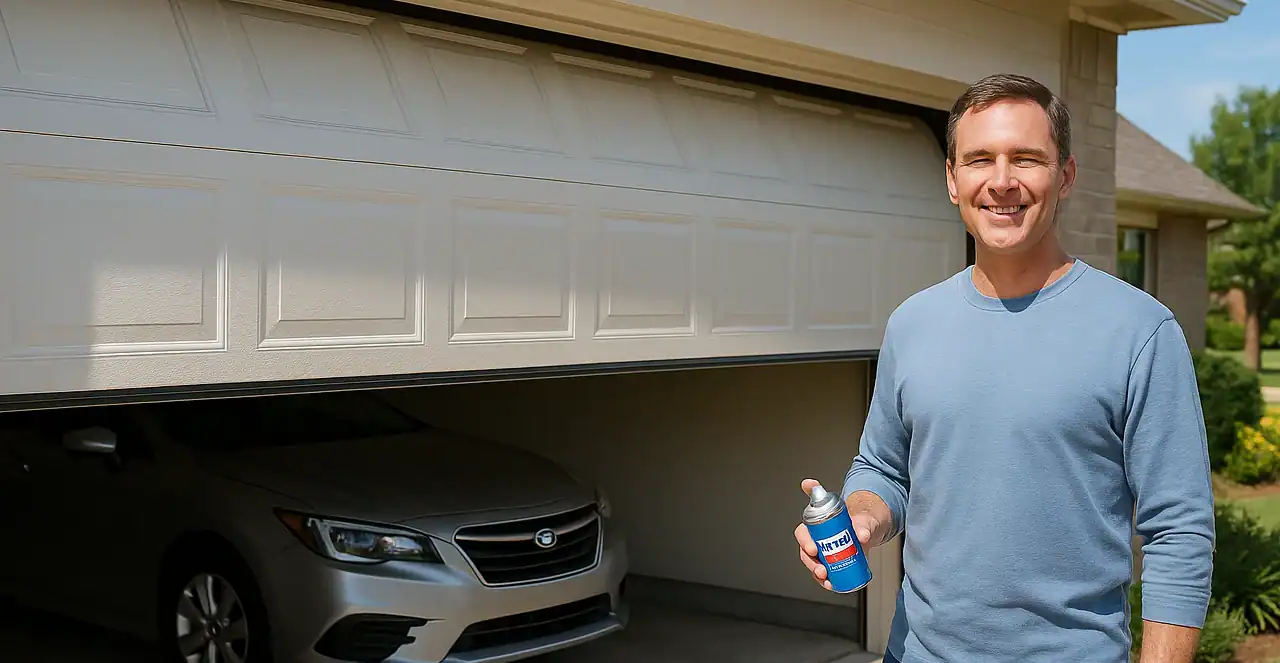
Use a garage-door-approved silicone-based lubricant or manufacturer-approved white lithium grease. Apply a small amount to metal hinges, roller stems, bearings, and springs where recommended by the manufacturer.
Avoid coating the tracks with heavy grease because it attracts dirt and debris. Also avoid petroleum-based products unless the door manufacturer specifically approves them, since some formulas may affect rubber, vinyl, plastic, or nylon parts.
Follow the manufacturer’s maintenance schedule; some garage doors may need lubrication every three to six months or as needed. Operate the door several times, then wipe away excess product.
If the door continues to drag, shake, or make loud noises, the problem may involve worn rollers, damaged hinges, poor balance, or track alignment rather than a lack of lubrication.
Operate the garage door opener using the wall control, keypad, and remote. Replace weak remote batteries before severe weather arrives. If the opener has a battery backup, test it before winter storms and possible power outages.
Clean the safety sensor lenses with a soft cloth. Remove leaves, tools, boxes, and other stored items that could block the sensor beam. Test the automatic reverse feature according to the opener manufacturer’s instructions.
You should also learn how to use the emergency release. Test it only while the door is fully closed. Never pull the release when the garage door is open or when you suspect a broken spring, because a heavy door could fall suddenly.
Next Level Garage Doors repairs and installs garage door openers, including models with battery backup, smart controls, and modern safety features. We inspect the full system because the motor may not be the actual cause of the problem.

Leaves, mud, water, road salt, and ice can collect near the garage floor and prevent the bottom seal from making full contact.
Sweep the threshold and remove standing water before freezing temperatures arrive. Water beneath the rubber bottom seal can freeze and cause it to stick to the concrete.
Never repeatedly press the opener button when the seal is frozen to the floor. Forcing the garage door open can damage the seal, door panels, opener, or hardware. Carefully clear the ice and wait until the seal releases.
A few hours of basic cleanup spread across the winter can help prevent moisture damage and make developing problems easier to spot. Keep stored items away from tracks and sensors so problems are easier to spot.
Not every winter draft requires a new garage door. In many cases, new weatherstripping, a replacement garage door sweep, lubrication, or a minor repair may solve the issue.
Garage door replacement may make sense when the current door has severe rust, warped sections, structural damage, poor insulation, or recurring problems. Older doors may also lack the sealing and insulation features available in newer models.
At Next Level Garage Doors, we can explain whether repair or replacement offers better value. Our services include garage door maintenance, opener repair and replacement, spring and cable repair, panel replacement, weather-seal replacement, and complete garage door installation.
Preparing a garage door for winter is easier before the first major freeze. Inspect the hardware, safely tighten loose bolts, test the opener, replace remote batteries, clean the garage floor, check the weather stripping, and lubricate approved moving parts.
Winterizing your garage door can help reduce heat loss, block cold air, protect stored items, and support lower energy costs. A properly sealed and insulated system may also help reduce heating costs in nearby rooms.
If the door feels heavy, moves unevenly, refuses to stay open, or makes unusual sounds, stop using it and schedule an inspection. These symptoms may point to spring, cable, roller, track, or balance problems that should be handled by a professional technician.
At Next Level Garage Doors, we help Oklahoma homeowners prepare for winter with dependable garage door maintenance, repairs, opener service, insulated garage door options, and complete garage door replacement. Schedule your winter garage door inspection with Next Level Garage Doors today at (405) 584-6593 and make sure your system is ready before Oklahoma temperatures drop.


