
Types of Garage Doors: A Guide for OKC Homeowners
September 28, 2025
Many homeowners are ready to upgrade but aren’t quite sure what the right garage door looks like for their home.…
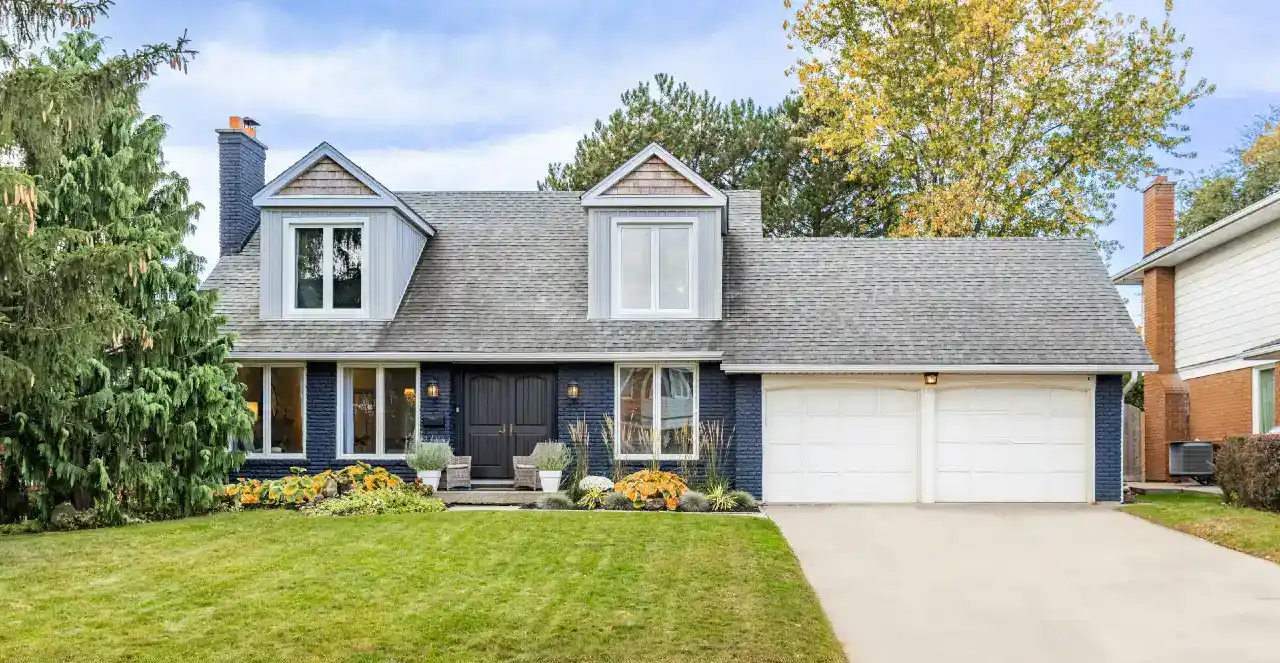
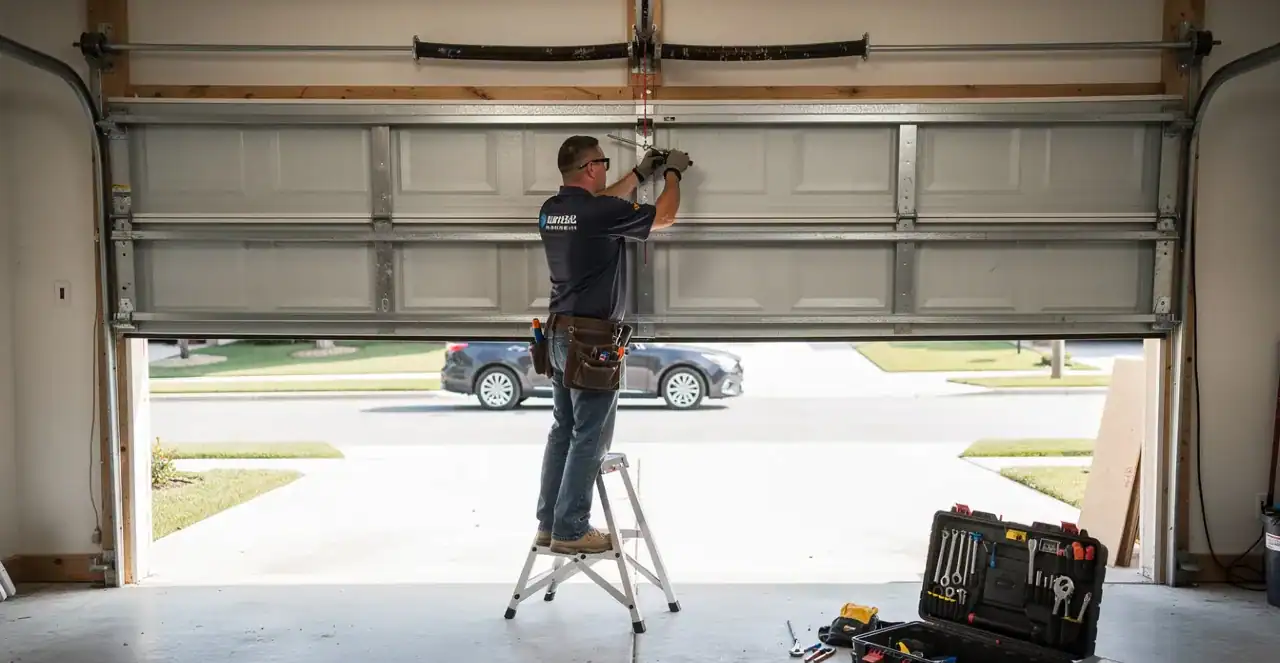

Oklahoma storms can put a garage door under tremendous pressure. If an older door bends or comes off its tracks, wind can enter the garage and increase the risk of damage to the roof and walls. A wind-rated replacement can help address that weak point, but the right choice depends on your home and the door’s tested rating.
At Next Level Garage Service, we help Oklahoma homeowners compare wind-rated options, install the right door for their opening, and keep the system in good working order.
Not all garage doors are built to withstand Oklahoma’s severe weather. While a standard garage door is designed for everyday use, tornado-resistant garage doors for Oklahoma homes are engineered to handle higher wind loads and extreme wind pressures. Using reinforced construction, stronger materials, and heavy-duty components, these wind-resistant garage doors help protect your home when tornadoes or high winds threaten.
Severe winds can buckle a standard garage door or force it out of its tracks. If the opening fails, wind can rush into the garage and increase pressure inside, raising the risk of serious structural damage to the roof and walls.
Reinforced garage doors are designed to reduce that risk. Built from heavy-duty steel or aluminum with stronger internal supports, they’re tested to perform under much greater wind loads than standard residential doors. A properly installed wind-rated door can reduce the risk of failure under the wind loads it was designed to resist. It cannot guarantee protection in a tornado or replace taking shelter during a warning.
A door’s wind rating identifies the positive and negative design pressures it is built and tested to resist. The right rating depends on the opening, the home, its exposure, and local code.
When comparing products, check the manufacturer’s label, information, and specifications for the positive and negative design pressure ratings and the applicable test standard. An installer can use those details, along with your door size and local code, to help identify a suitable wind-rated door. Ask whether impact resistance is separately rated if protection from wind-driven debris is also a priority.
When you compare doors, look beyond the panels. The tracks, brackets, and attachment to the garage opening also affect how the complete system handles wind.
A garage door covers a large opening, so its panels are only part of the picture. The tracks, brackets, and connections to the surrounding structure must also be suited to the door’s wind rating. When those components work together, the door is better equipped to stay in place under the wind pressures it was designed to resist.
Strong winds can force an inadequately rated garage door inward. Once the opening is exposed, pressure inside the garage can increase the risk of damage to the roof and walls. A properly rated and installed door helps reduce that risk. If you’re considering an upgrade, ask your insurer whether a documented wind-rated installation qualifies for a policy discount.
Not all reinforced garage doors are built the same. The strongest models combine heavy-duty materials with reinforced components that improve strength, durability, and long-term functionality.
Compared with a standard garage door, reinforced models are designed for greater strength and improved performance. Common features include:
These features help create a garage door built for Oklahoma’s challenging weather and reliable year-round operation.
A reinforced garage door is only as strong as the components supporting it. Heavy-duty tracks, reinforced brackets, commercial-grade hardware, and additional bracing all work together to keep the door stable under high wind pressures. These upgrades help prevent the door from twisting or pulling away from the opening during severe weather while also improving durability for everyday use.
Over time, thousands of opening and closing cycles can loosen hardware. A pre-storm inspection can check the tracks, brackets, hinges, and door connections. In addition, a technician can check the door’s balance for ease of operation.
Wind-rated garage doors are tested to resist specified design pressures, but the rating must still be appropriate for the home and its location. Reinforced hardware, stronger panels, and engineered construction help distribute wind pressure more evenly across the entire door, rather than allowing stress to concentrate in one area. The result is a stronger, more durable garage door that’s designed to perform when Oklahoma weather becomes unpredictable.
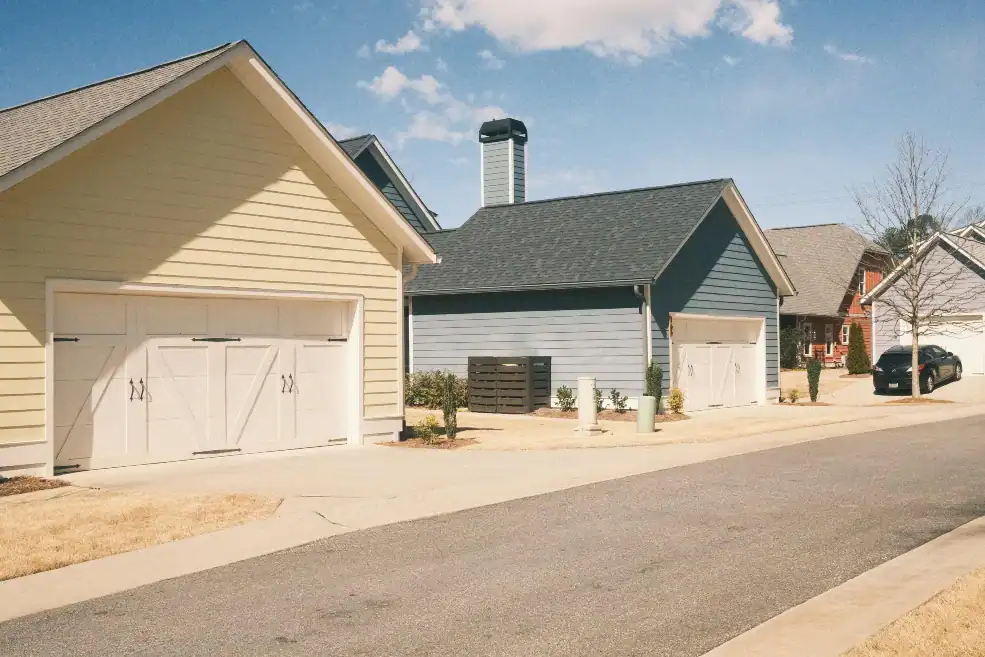
Not every home requires the same wind load rating, which is why it’s important to understand both local building codes and your property’s specific location. Choosing the right garage door means balancing protection, style, functionality, and budget while making sure the door meets all required standards.
Garage door wind-load requirements vary by community, so check the rules for your address and the size of your opening. On March 17, 2014, Moore adopted residential high-wind construction rules that specify garage doors rated for 135 mph winds or higher. Requirements for a particular new build or replacement should be confirmed with the local building department.
Although the Florida Building Code is often referenced throughout the garage door industry because of its hurricane requirements, Oklahoma homeowners should always follow the local codes adopted by their own community. A professional installer can help you find approved garage doors that meet current requirements before installation begins.
Start with the requirements for your address, then consider the size of the garage opening and how exposed your home is to wind. A professional installer can compare suitable ratings and show you doors that fit your preferred style and budget. The goal is a door rated for your specific opening, with installation details that match the manufacturer’s specifications.

Rolling steel slat doors are service doors commonly used in commercial applications. Their interlocking slats coil above the opening, which can make them ideal for warehouses and shops that need frequent operation and clear overhead space. For some businesses, they may be the perfect choice.
For houses with conventional garage openings, a wind-rated sectional overhead door often offers wider availability of residential styles and color options. Checking the wind rating for the specific opening is essential, regardless of garage door type. A professional installer can help you compare the options for your property.
Even the best wind-resistant garage doors won’t perform as designed if they’re installed incorrectly. Proper installation helps the door meet its engineered wind-load rating, while routine maintenance keeps all components operating as intended year after year.
At Next Level Garage Service, we can help your family compare wind-rated doors, check the opening for a secure installation, and provide a free estimate. If you’re ready to better protect your home before the next storm season, contact us at (405) 584-6593 to discuss your options and request a free quote today.


