
How To Open Garage Door Without Power: A Step-by-Step Manual Guide
November 14, 2025
When the power goes out, it can disrupt your entire day. Your coffee maker stops mid-brew, the lights go dark,…


A little routine maintenance can go a long way toward keeping your garage door operating safely and reliably. By taking a few minutes each month and scheduling a more thorough inspection once a year, homeowners can often catch small issues before they turn into costly repairs or unexpected breakdowns.
This garage door maintenance checklist explains which tasks to tackle monthly, what to include in an annual inspection, and which repairs should always be left to a professional. Whether you have a newer garage door or an older system, these simple maintenance habits can help extend its lifespan, improve performance, and keep it operating smoothly.
At Next Level Garage Doors, we help homeowners throughout Oklahoma keep their garage doors in excellent condition with professional maintenance, inspections, and repairs. Use this checklist to stay ahead of potential problems and know when it’s time to call in the experts.
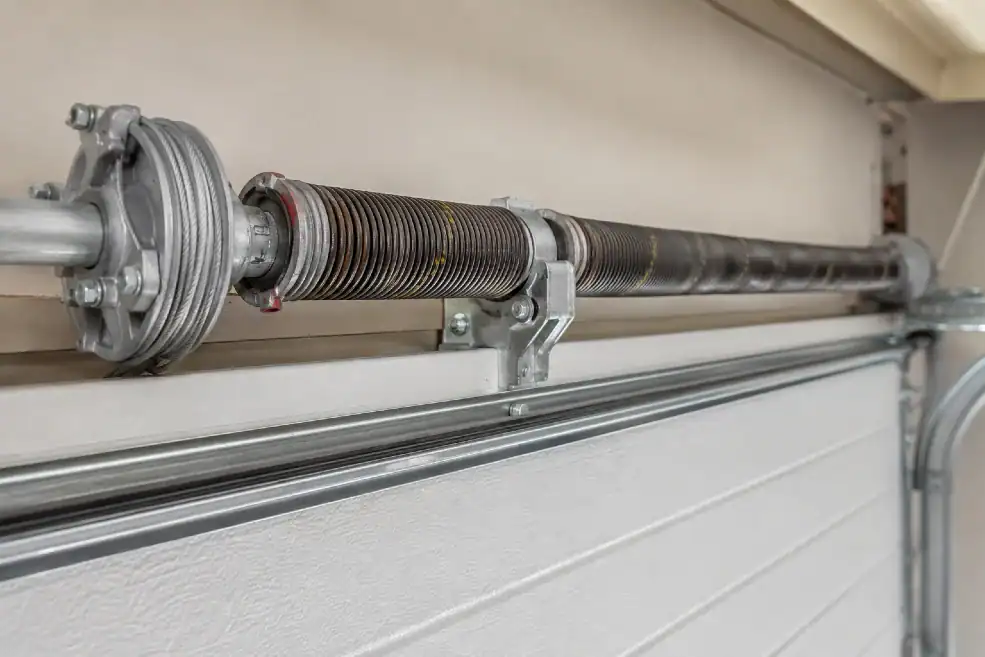
Your garage door is one of the largest moving systems in your home, and it works hard every day. Opening, closing, lifting, and securing your garage all depend on multiple components working together smoothly. Without regular maintenance, normal wear and tear can gradually turn into small problems that lead to inconvenient breakdowns or costly repairs.
A simple garage door maintenance checklist helps homeowners stay ahead of potential issues before they become major repairs. Most monthly tasks take only 10 to 15 minutes, but that small investment of time can make a noticeable difference in how well your garage door system performs throughout the year.
Regular garage door maintenance can help you:
Annual maintenance also gives you the opportunity to identify components that may need professional service before they fail unexpectedly.
Oklahoma’s weather can be tough on a garage door. Summer heat causes metal components to expand, while cooler temperatures make them contract. High humidity can encourage rust, and sudden temperature swings put additional stress on garage door springs, rollers, cables, and hinges.
Over time, these conditions accelerate wear on your garage door system. That’s why homeowners in Oklahoma benefit from inspecting their garage door more frequently than those in milder climates. Staying ahead of weather-related wear helps prevent unexpected repairs and keeps your door operating reliably throughout every season.
Monthly garage door maintenance doesn’t require specialized tools or hours of work. Most tasks involve careful observation, simple cleaning, and testing the garage door’s safety features. The goal is to notice small changes before they become larger problems.

Start by opening and closing the garage door several times.
Listen carefully for unusual noises such as grinding, squeaking, scraping, popping, or banging. Strange sounds often indicate worn rollers, loose hardware, insufficient lubrication, or other mechanical issues that warrant attention.
Next, perform a thorough visual inspection of the entire garage door system.
Look for:
While inspecting, never touch or attempt to adjust garage door springs or cables. These components are under extreme tension and should only be handled by a garage door professional.
A properly balanced garage door reduces strain on the garage door opener and helps the entire system last longer.
Begin by disconnecting the opener using the emergency release cord. Carefully lift the door by hand until it’s about halfway open, then let go.
A balanced garage door should remain in place without rising or dropping. If the door moves on its own, the springs may need adjustment. Reconnect the opener after completing the balance test.
Next, test the garage door’s safety features.
Place a small object in the door’s path and close the garage door. The auto-reverse function should immediately reverse direction upon contact with the object.
You should also test the photo-eye sensors each month. Wave an object between the sensors while the door is closing. The garage door should immediately stop and reverse. Testing these safety features regularly helps prevent injuries and is an essential part of every garage door maintenance checklist.
Garage door tracks naturally collect dust, leaves, cobwebs, and other debris over time. While the tracks should never be lubricated, they should be kept clean to allow the rollers to move freely.
Use a soft cloth to wipe away dirt and debris from the tracks. If necessary, use a vacuum with a narrow attachment to remove buildup from hard-to-reach areas.
Next, gently clean the photo-eye sensors with a clean, soft cloth. Even a thin layer of dust can interfere with their ability to detect objects, preventing the garage door’s safety system from working properly.
Taking a few minutes to clean these areas each month helps your garage door operate smoothly and reduces unnecessary wear on the system.
Some maintenance tasks don’t need to be performed every month but should become part of your annual maintenance routine. Scheduling these inspections once or twice a year can help maintain performance and extend the lifespan of your garage door system.
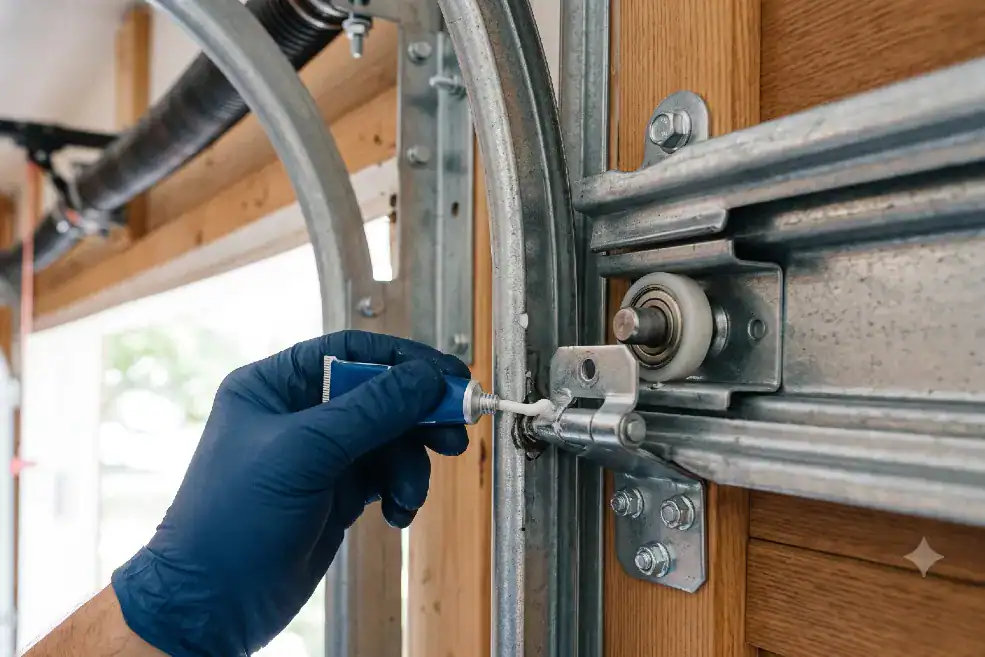
Garage door components move thousands of times every year. Proper lubrication reduces friction, minimizes wear, and helps your garage door operate more quietly.
Most manufacturers recommend lubricating moving parts every six months, although some homeowners choose to perform lubrication every three months in areas with heavy use or challenging weather conditions.
Apply white lithium grease or another garage-door-specific lubricant to:
Avoid using household oils or heavy grease, which attract dirt and can reduce functionality over time.
While performing lubrication, inspect the entire system for loose bolts, brackets, and hardware. Tighten loose bolts where appropriate, but avoid adjusting any components connected to the springs.
The rubber seal along the bottom of your garage door helps keep out rain, dirt, pests, and outside air. Check the weatherstripping at least once a year, and ideally each season, for cracks, brittleness, gaps, or signs of wear.
If the rubber seal has become damaged, replacing it can improve energy efficiency and help protect your garage from moisture and debris.
Annual maintenance is also a good time to inspect your garage door opener. Check that the mounting brackets remain secure, the opener responds consistently, and the remote controls and wall switch function correctly.
If your opener hesitates, struggles to lift the door, or begins making unusual noises, it may be time to schedule a professional inspection before the problem leads to more extensive repairs.
Some garage door maintenance tasks are safe for homeowners, but others should always be handled by a garage door professional. Certain components are under extreme tension, and attempting DIY repairs can lead to serious injury or damage to your garage door system. If you’re ever unsure about a repair, it’s always better to schedule professional service than risk making the problem worse.

Garage door springs and cables play a critical role in lifting and lowering the door, but they’re also the most dangerous components to work on. Springs store an enormous amount of energy, and a mistake during repair or replacement can cause serious injury.
Leave these jobs to a professional:
A garage door professional has the proper tools and training to complete these repairs safely while protecting the rest of your garage door system.
Even with regular garage door maintenance, some problems require expert attention. Contact a professional if you notice:
At Next Level Garage Doors, we offer same-day service whenever possible to get your garage door back to operating safely and smoothly.
Most garage door maintenance is straightforward, but a few common mistakes can reduce the life of your garage door system or create unnecessary safety risks. Avoid these habits to keep your garage door in good condition:
How to maintain garage doors? Addressing small issues early is one of the best ways to avoid costly repairs and extend the life of the entire system.

Following a garage door maintenance checklist is one of the simplest ways to protect your investment and keep your garage door operating safely year-round. Regular inspections, routine lubrication, and testing your garage door’s safety features can prevent many common problems before they require major repairs.
If you notice signs of wear or need a garage door repair, replacement, or new installation, the locally owned team at Next Level Garage Doors is here to help. We offer professional service, a large selection of quality products, and dependable solutions for homeowners across Oklahoma. Contact us today to schedule your garage door service and keep your system working smoothly for years to come.


