
How to Insulate a Garage Door: A Detailed Guide for Each Door Type
November 28, 2025
So you’ve been thinking about how to insulate a garage door, but you're not sure where to start. Foam board?…
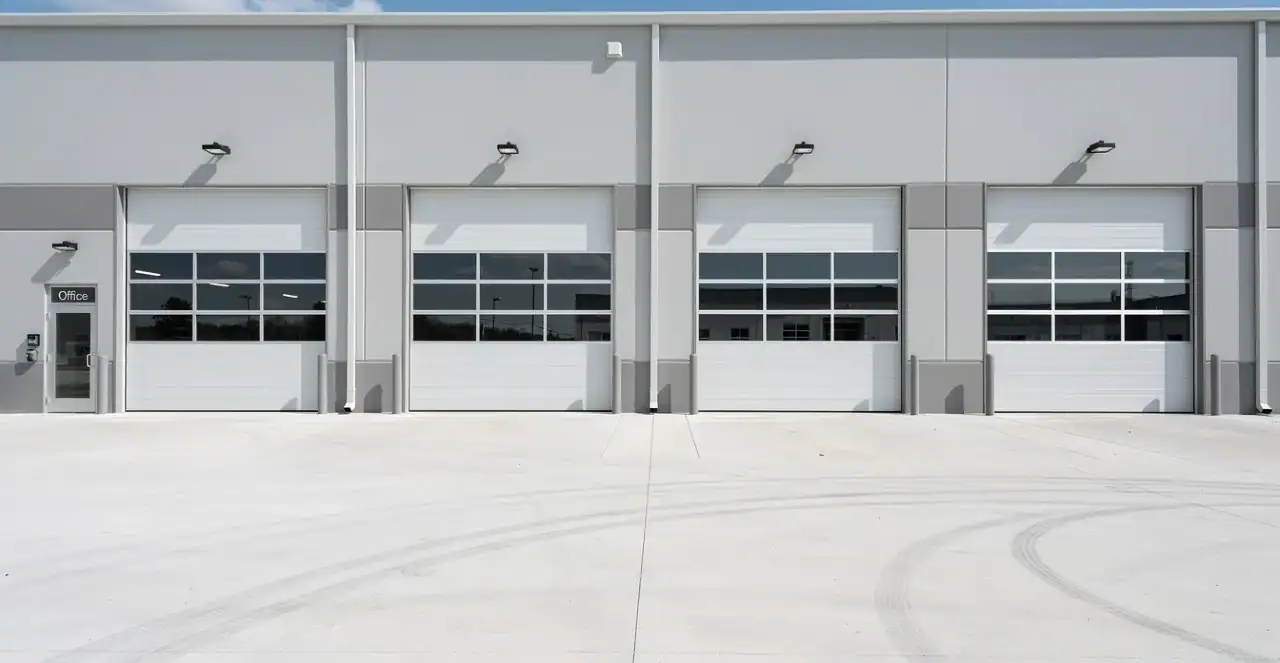

Garage door openers are no longer simple machines that lift and lower a door on command. Today’s systems rely on sensory technologies that monitor movement, detect obstacles, and respond instantly to potential hazards. These advancements play a major role in preventing accidents, protecting people and property, and keeping daily garage access safe and reliable. At Next Level Garage Services, we help homeowners understand how these technologies work and why they matter for long-term garage door safety.
A garage door is one of the largest moving systems in your home. It operates multiple times a day, often when children, pets, cars, or delivery personnel are nearby. Without proper safety features, even a small malfunction can create a serious risk.
Many garage door accidents happen during everyday routines, not during obvious breakdowns. Some of the most common situations include:
These scenarios are exactly why modern garage door safety systems are designed to detect obstructions and respond before contact occurs.
Sensory technologies reduce risk by identifying objects in the door’s path and stopping the operation immediately. This ability to detect movement in real time helps the system operate safely without relying solely on manual awareness.
Modern garage door openers are built around coordinated systems that rely on precise communication between components. Sensors play a critical role in how smoothly and safely the door operates.
The garage door and opener function as a single system. The opener controls force and movement, while the door follows a guided path along the tracks. Sensors continuously confirm that the system is operating within safe limits.
When sensors are working properly, they support consistent and reliable operation by:
Without functional sensors, the system may behave inconsistently or shut down as a safety precaution.
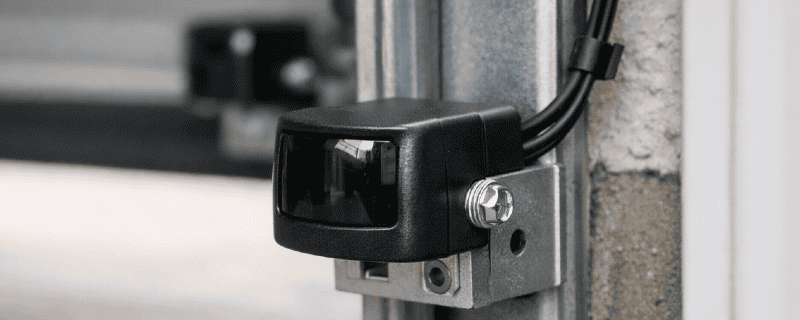
Garage door sensors are small devices with a big responsibility. They serve as the system’s primary safety check during operation.
Door sensors detect obstructions by using an infrared beam spanning the doorway. When an object interrupts this invisible beam, the opener receives a signal to stop or reverse the door.
Together, sensors create an invisible safety net across the door’s path. This safety net allows the system to detect objects before contact is made, protecting people, pets, and property inside the garage.
Photo-eye sensors are among the most important safety devices in modern garage door systems.
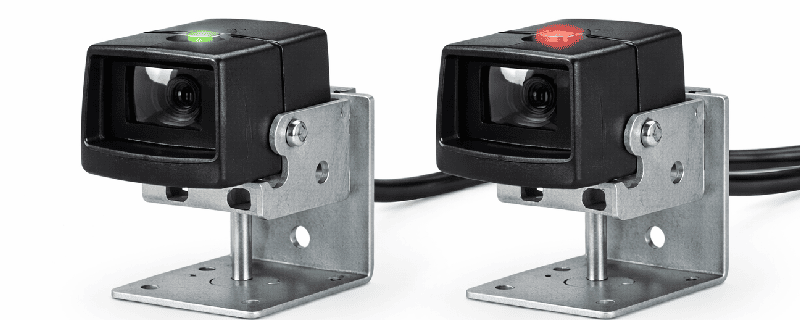
Photo-eye sensors actively prevent accidents by detecting movement in the doorway. They help protect:
Once the infrared beam is interrupted, the door stops or reverses automatically.
Sensors are positioned close to the ground because most obstructions appear at that level. Proper positioning improves detection accuracy and reduces the chance of missed hazards.
Garage door openers include multiple safety features designed to work alongside sensors.
If the system detects resistance or an obstruction, the door automatically reverses direction. This feature works with sensors to prevent accidents and limit damage.
These built-in safety features allow homeowners to move through the garage confidently, whether entering on foot or pulling in with a car.
Smart garage door openers add another layer of safety through connectivity.
Smart systems use real-time monitoring to quickly detect sensor issues. If sensors fail or the problem persists, alerts notify homeowners right away.
Smart systems also improve security by integrating with lighting, alerts, and access controls, helping keep the garage secure without sacrificing convenience.
Even well-designed systems can experience sensor issues over time.
One of the most common problems involves sensor lenses becoming blocked or dirty.
Other common causes of sensor issues include:
Any of these issues can interfere with normal operation and compromise safety.
When sensors fail, the system responds by limiting operation.
Most systems rely on a single sensor to send the beam and another to receive it. If one sensor is misaligned or loses power, the door’s safety system detects a problem and stops functioning.
Ignoring sensor problems increases the risk of accidents, system damage, and unexpected failures during daily use.
Some sensor problems can be resolved with basic checks.
Homeowners can take a few simple troubleshooting steps:
These quick checks often restore normal operation and help confirm whether the issue is minor or part of a larger problem. Taking these steps for safety reasons also helps you understand how your system is designed to respond before moving on to more advanced solutions.
If the problem persists after these steps, the system may no longer be functional and should be inspected by a professional.

Regular maintenance plays a major role in keeping sensors reliable.
Proactive steps, such as routine cleaning and inspections, help maintain sensor functionality and reduce long-term risk.
Older systems may lack modern safety features. In some cases, upgrading provides better protection and improved overall performance.
Some sensor issues require expert repair.
Call a professional garage door technician if you notice:
When issues reach this point, continued testing can actually lead to more wear or unreliable behavior. A trained technician can safely evaluate the system’s original installation and determine whether a repair, adjustment, or replacement is needed. Next Level Garage Service is your best next step.
Professional repair restores safety, protects your garage, and helps keep the entire system secure and dependable.
Garage door safety depends on properly functioning sensors and consistent care.
A few simple habits can help maintain safety:
These habits support long-term reliability and help keep the auto-reversal and detection features working as intended. Consistent attention makes it easier to catch small problems early and maintain a system you can depend on every day.
If you are dealing with sensor issues, need maintenance, or want to upgrade your system, taking action early helps prevent larger problems later. Modern systems rely on advanced technology that responds when the door senses movement or detects an obstruction, but these safety features only perform as intended when components are properly maintained and professionally installed.
At Next Level Garage Services, we help homeowners keep their systems operating safely, smoothly, and efficiently through expert repair, proactive maintenance, and honest guidance. If you need professional support or any garage issues, you can easily contact us to schedule service with our experienced team.


