
Steel vs Wood vs Aluminum Garage Doors: Which Material Is Best?
June 19, 2026
Choosing a new garage door can feel simple at first. Then you start looking at materials, styles, insulation, cost, and…

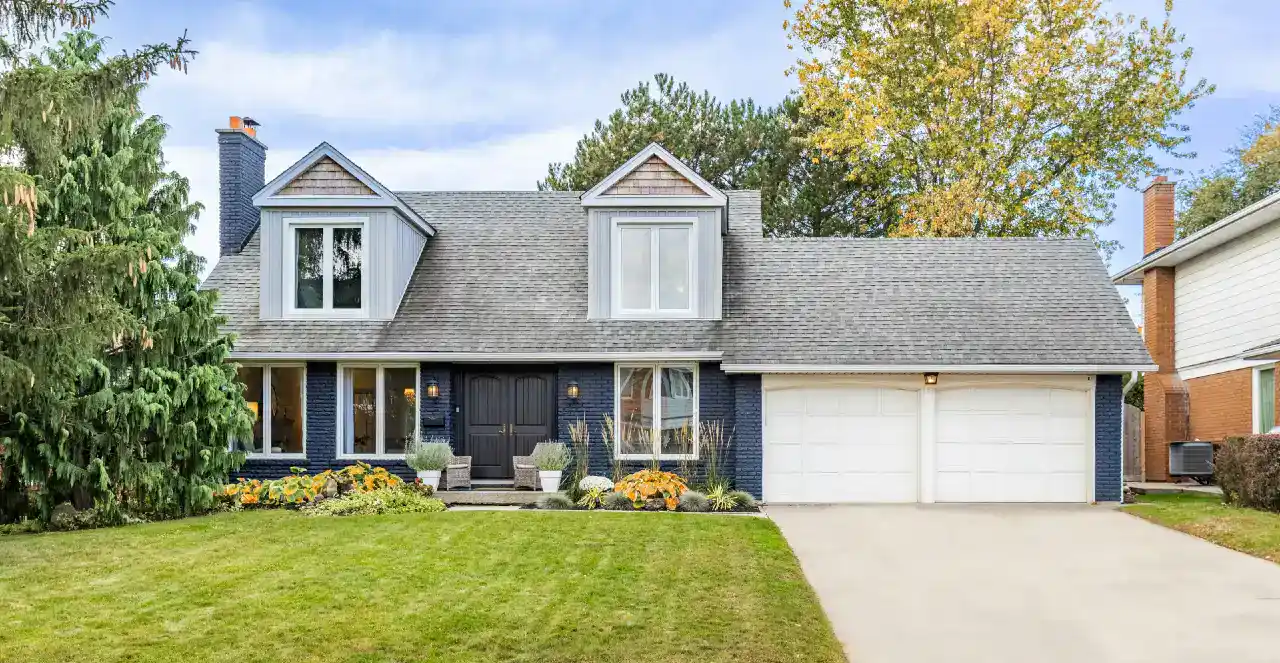

A garage door does more than open and close. It affects how your home looks, how your garage feels, and how comfortable the rooms around it can be throughout the year. So when it is time to choose a new garage door, the decision is not only about style or price. One of the biggest choices is whether an insulated garage door or a non-insulated door makes more sense for the way you use your garage year-round.
At Next Level Garage Service, we help Oklahoma homeowners and businesses make that decision with practical advice, not pressure. Some homes need effective insulation because the garage shares a wall or ceiling with the house. Others only need a dependable door for a detached garage used for parking or storage. The right answer depends on your local climate, how you use the garage, your budget, and whether noise, heat, cold, or energy costs are already bothering you.
Here is a clear look at insulated vs. non-insulated garage doors guide so you can make an informed choice before scheduling a replacement, repair, or full garage door installation.
An insulated garage door is built with added insulation inside the door panels. Instead of a simple single layer of steel, insulated doors usually have two or more layers with foam insulation or other insulation materials placed between them. That extra layer helps slow heat transfer, reduce noise levels, and improve structural integrity.
The insulation is often polystyrene or polyurethane insulation. Polystyrene looks like rigid foam panels. Polyurethane insulation is usually injected into the door, where it expands and fills smaller spaces. This often provides a higher R-value, adds strength to the panel, and improves thermal resistance.
R-value measures how well a material resists heat flow. A higher R-value means the door does a better job of limiting heat transfer. It does not turn the garage into a fully conditioned room, but it can help regulate temperature during extreme temperatures and support more consistent temperatures.
For attached garages, that matters. When the garage connects to the house, outdoor heat and cold can affect nearby rooms. Better garage door insulation may help reduce heat loss in cold weather and reduce hot air moving toward conditioned air inside the home.
Non-insulated garage doors are usually built with one main layer and no added insulation inside the panels. These uninsulated garage doors are often lighter weight, simple to operate, and more affordable at the start.
For a detached garage used only for parking, lawn equipment, or basic storage, non-insulated doors can be a cost-effective choice. If the garage is not connected to the house and you do not spend much time inside, the comfort benefits of insulation may not matter as much.
That said, uninsulated doors allow more heat transfer. They can also feel louder during daily use, especially near busy streets or in areas with more noise pollution. If you use power tools, work out in the garage, keep stored items inside, or have rooms above or beside the garage, a basic non-insulated garage door may not give you the comfort or noise control you want.
The biggest difference is performance after installation. An insulated door helps with energy efficiency, quieter operation, and increased durability. Non-insulated doors usually cost less upfront, but they offer less protection from outdoor temperature swings and noise.
If your garage is attached to your house, insulation can help reduce outdoor air from moving into the garage area. It may also help lower heating and cooling costs over time, especially if your current door has air leakage around the edges or old weatherstripping.
To make the choice easier, this table breaks down the main differences between insulated and non-insulated garage doors, from comfort and noise control to cost and long-term value.
| Feature | Insulated Garage Doors | Non-Insulated Garage Doors |
|---|---|---|
| Best for | Attached garages, workshops, homes near busy streets, and garages that are often used | Detached garages, basic storage, parking, and budget-focused projects |
| Comfort | Helps regulate temperature and reduce heat transfer | Allows more outdoor heat and cold into the garage |
| Noise | Offers better noise reduction and quieter operation | Can be louder and may rattle more during use |
| Energy efficiency | May help reduce heating and cooling costs around attached spaces over time, long-term energy savings | Provides little support for energy savings |
| Durability | Usually stronger because of added insulation and layered construction | Often lighter weight, but may dent or flex more easily |
| Cost | Higher initial investment, but better long-term value for many homes | Lower upfront cost and simple construction |
| Best choice when | You want comfort, noise control, curb appeal, and long-term savings | You need a cost-effective door for a simple or detached garage |
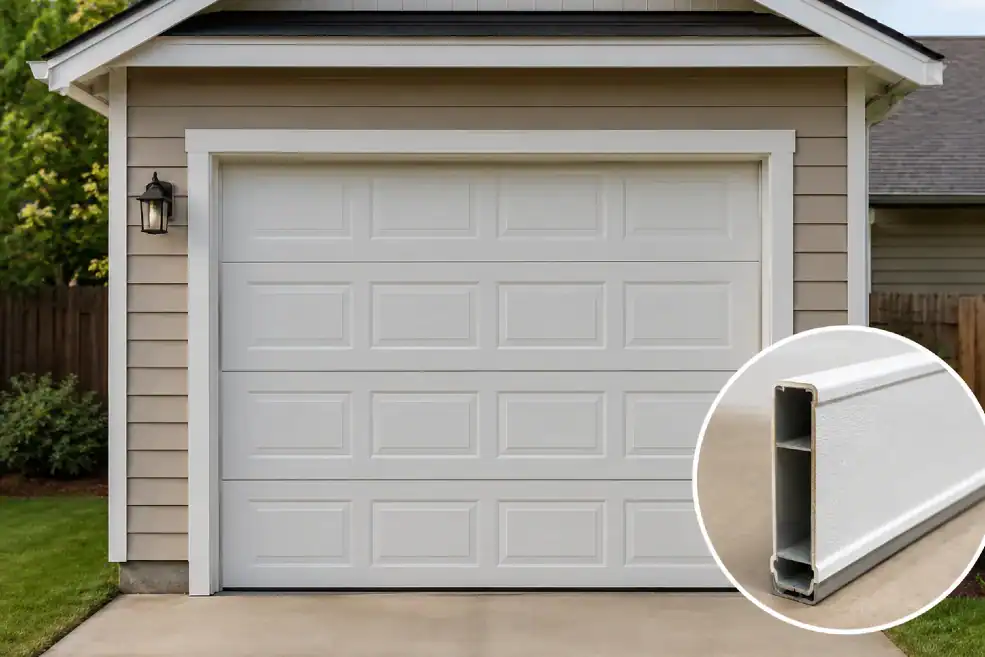
Insulated garage doors are usually worth considering when they solve a problem you already notice, like a hot garage, cold rooms nearby, or a door that sounds loud every time it opens. If your garage gets painfully hot in summer, freezing in winter, or loud every time the door opens, an insulated option can be a smart investment. It may also protect stored items from harsh climate conditions, including paint, tools, batteries, and equipment.
For many homeowners, comfort comes first, but energy efficiency is usually part of the decision too. An insulated garage will not automatically erase energy bills, but it can help reduce heat flow between the garage and nearby living spaces. If the garage shares a wall with a bedroom, kitchen, laundry room, or hallway, improved insulation may help your home feel more stable. Less temperature swing can mean less work for your HVAC system and better energy-saving potential over time.
The best results usually come from combining an insulated door with good seals, proper installation, and routine maintenance. Next Level Garage Service handles garage door installation, tune-ups, panel work, spring replacement, cable repair, opener upgrades, and regular maintenance, so we can look beyond the panel and check the system as a whole.
Noise reduction is one of the most overlooked reasons to choose insulated doors. A garage door that rattles, shakes, or bangs can get old fast, especially if someone sleeps near or above the garage.
For noise reduction, insulated doors provide a more solid feel. Added insulation helps dampen vibration, while the extra layers reduce the hollow sound common with single-layer doors. This can help if your home is near busy streets, if you leave early in the morning, or if you use the garage for hobbies, workouts, or power tools.
Noise reduction also depends on the full system. Worn rollers, loose hinges, tired springs, or an aging opener can create noise even with a better door. That is why Next Level Garage Service often recommends an inspection when noise concerns start showing up. Sometimes a new garage door is the right move. Other times, opener service, spring adjustment, roller replacement, or a tune-up can improve quieter operation without replacing everything.
In Oklahoma, the garage can take a beating from heat, wind, storms, and cold weather. If your garage door faces direct sunlight, the inside of the garage can warm up quickly. That heat can move into the house, especially through shared walls and ceilings.
An insulated garage door helps by limiting heat transfer. During summer, this can support better comfort and may help reduce cooling costs in nearby rooms. During winter, insulation helps slow heat loss, which may make nearby rooms feel more comfortable and reduce some strain on the heating system.
How much you save on annual energy costs depends on various factors. These include the size of the garage, the door’s R-value, air leakage, weatherstripping, ceiling insulation, windows in or near the garage, and whether the garage is attached or detached. No garage door company should promise exact energy savings without seeing the home, but for many homeowners, the comfort improvement alone makes the upgrade feel worthwhile.

A non-insulated door is not automatically the wrong choice. It just makes more sense in certain situations.
A non-insulated garage door can be practical for a detached garage, rental property, shed-style garage, or space used only for parking. If the garage does not share conditioned air with the house and you are not worried about noise levels, a non-insulated choice may be enough.
They are also usually lighter weight, with a lower initial investment. That matters when a homeowner needs a safe, working door quickly without extra features. Still, think ahead. If you might later turn the garage into a gym, workshop, hobby space, or storage area for sensitive items, added insulation may be easier to choose now than to wish for later.
If you are wondering how to insulate your garage door, insulation kits and DIY kits exist, but they are not the same as a factory-built insulated garage door. Extra weight from diy kits can affect balance, springs, opener strain, and safe operation if not handled correctly. A professional technician from Next Level will discuss with you the options you have if you want to have your garage door insulated.
The best garage door is the one that fits your home, your habits, and your budget. An insulated door is often best for attached garages, homes with living space near the garage, garages used as work areas, and properties where noise control, energy efficiency, and comfort matter. Non-insulated doors can still be a smart choice for detached garages, simple storage, and homeowners who want to save money.
At Next Level Garage Service, we work on the full garage door system, not just the panels. Our team installs and repairs residential and commercial garage doors, replaces springs and cables, services openers, handles panel issues, and provides maintenance that helps prevent small problems from becoming bigger ones.
The right garage door should fit the way your home actually works. For some homeowners, that means choosing an insulated door for better comfort, quieter operation, and added durability. For others, a non-insulated door may be enough for a simple detached garage or a space used mainly for parking and storage.
If you are comparing options, Next Level Garage Service can help you look at the full picture, including your current door, opener, springs, seals, garage layout, and budget. Our team can recommend a practical solution, whether that means a new garage door, a repair, or routine maintenance to keep your system working safely. Just contact us at (405) 584-6593 to get your free estimate and find the perfect garage door for your home.


