
How Sensory Technologies Improve Garage Door Opener Safety
January 23, 2026
Garage door openers are no longer simple machines that lift and lower a door on command. Today’s systems rely on…
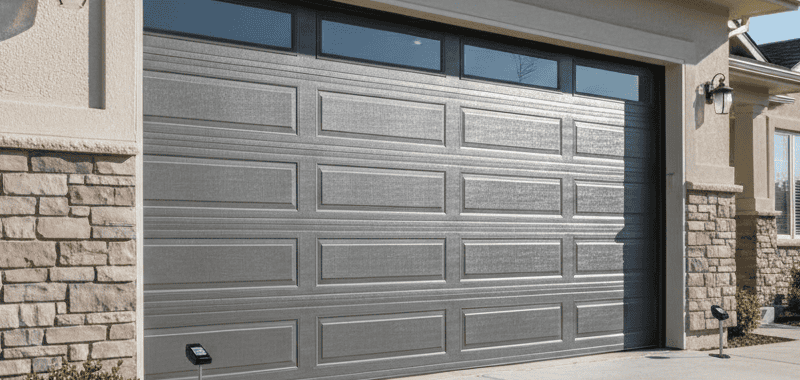


Your garage door does more than open and close. It protects your car, keeps your garage connected to the rest of your home, and helps your family safely enter and leave every day. For many homeowners, the garage is also the main entry point into the house, which means the door has to work safely every time. Because the door is large, heavy, and used so often, garage door safety features matter more than many homeowners realize.
A dependable garage door system should feel smooth, secure, and reliable from the moment you press the opener. When something is off, it can quickly become a potential danger. A faulty spring, blocked sensor, weak garage door opener, or door that does not reverse immediately can lead to accidents, damage, or serious injury. Modern systems include important safety features designed to prevent accidents and provide peace of mind.
Garage door safety is not just about convenience. It is about protecting people, pets, vehicles, and the space around your home. Every time the door moves, it travels along a set path with a lot of force behind it. If a child, pet, cardboard box, bicycle, or other object is in that path, the system needs to detect objects and react right away.
That is where door safety features come in. Safety sensors, an auto-reverse feature, manual release, battery backup, motion detection, and rolling code technology all support safe operation. They help the door open, close, stop, or reverse direction when needed. They also support home security by making it harder for potential intruders to access your garage.
Many garage door openers today are equipped with layers of protection. Older units may still operate, but they may not include the same key safety features found in modern systems. If your opener uses fixed codes, lacks photo eyes, or does not immediately reverse during a test, it may be time for an inspection.
These safety features work best as a team. The opener moves the door, the sensors watch the opening, and the auto-reverse system steps in when something blocks the path. The manual release helps during an emergency, while a battery backup system keeps the door moving during power outages. When these features function correctly, your garage door becomes safer, smoother, and more reliable.
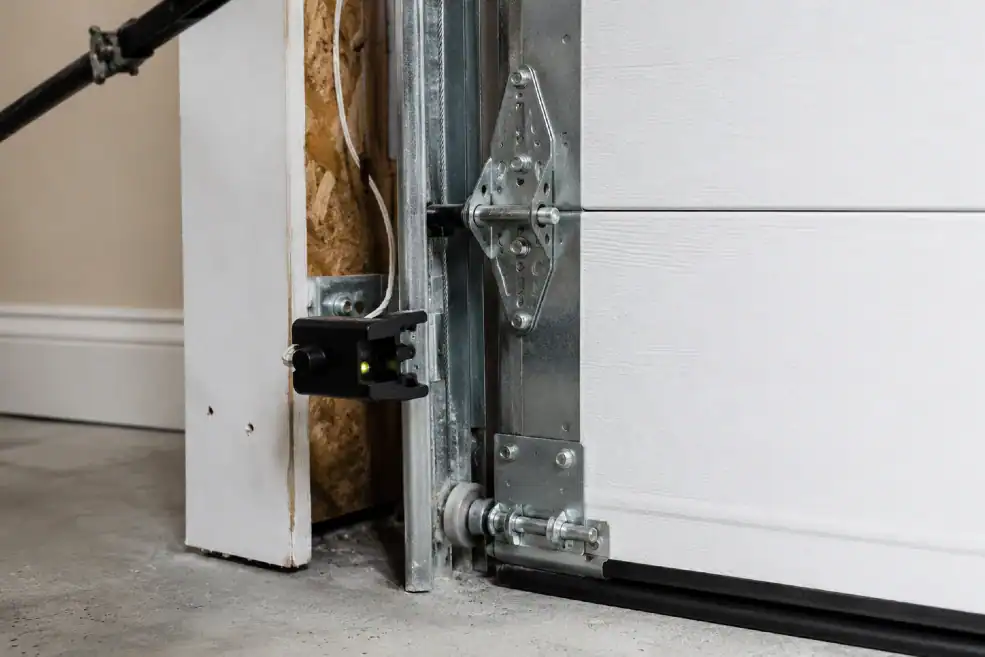
Photo eyes are among the most important garage door safety features. These small photoelectric sensors sit near the bottom of both sides of the garage door opening, usually a few inches above the floor. The photo eyes send an invisible beam across the door’s path. When something breaks that invisible beam, the opener should immediately stop the door or make it reverse direction.
If your garage door starts closing and then returns to the open position, the garage door sensors may be seeing an object or may not be properly aligned. Blinking lights on the sensor can also point to misalignment, dirt, or wiring problems. Sometimes the fix is simple. Wipe the sensor lenses with a soft cloth or paper towels, remove anything blocking the beam, and check whether both sensor lights look steady.
Still, if the problem keeps coming back, schedule service. Sensors that only work sometimes are there to prevent injuries and protect your family, pet, and car.
The auto reverse feature is another major part of garage door safety. If the door touches an object while closing, it should reverse immediately. This is designed to prevent accidents if something is under the door.
For a quick sensor check, place a cardboard box in the door’s path and close the door. The sensors should detect the box and make the door reverse before contact. For the contact auto reverse test, follow your opener manual or ask a technician to test the force settings safely. If the door keeps pushing down, hesitates, or fails to reverse direction, stop using the electric opener and call a professional. A working auto reverse feature can help prevent serious injury.
Auto reverse is not just a nice feature. It is one of the most important safety features in the entire garage door system. It should function every time, without delay.
Power outages can happen without warning. When the power goes out, the garage door opener may not operate unless your system has backup power. That is why every homeowner should know how to use the manual release.
The manual release is usually a red cord hanging from the opener rail. It lets you disconnect the door from the electric opener so you can open the garage door manually. Before pulling it, make sure the door is fully closed if possible. If the door is open and the spring system is damaged, it could drop quickly.
Once disconnected, lift the garage door manually with care. If the door feels extremely heavy, uneven, or stuck, stop. That can point to a broken spring, damaged cable, or another safety issue. Do not force it. Call a trained technician.
A battery backup system gives your opener backup power during an outage. This is especially helpful if you use your garage as the main entrance to your home. With battery backup, you can still open and close the door during power outages without struggling with the manual release.
Battery backup also adds peace of mind during storms, late-night emergencies, and electrical problems. If someone in your home has mobility concerns, this feature becomes even more valuable because the garage door remains usable when you need it most.
Garage door safety is also connected to security. Older remotes with fixed codes can be easier to copy or intercept. Rolling code technology helps reduce the risk of break-ins by changing the access code each time you use the remote.
This makes it harder for potential intruders to capture your opener signal and come back later. For homeowners who keep tools, bikes, vehicles, or entry doors inside the garage, rolling code technology is a smart upgrade. It keeps your garage door opener more secure and supports better home security.
Motion detection lights are simple, but they make a big difference. When you walk into a dark garage, lights that turn on automatically help prevent trips, falls, and accidents. They also make it easier to see tools, storage boxes, steps, and anything sitting near the door.
Even the best safety features need maintenance to keep your door reliable and safe for everyday use. Test your sensors, watch for blinking lights, listen for grinding or popping sounds, and pay attention to how the door moves. If the door shakes, stops halfway, opens slowly, or refuses to close, something in the system may need adjustment.
A safe garage door should operate smoothly, reverse immediately when needed, and protect your family without making you think twice. Next Level Garage Door helps Oklahoma homeowners with dependable repairs, safety inspections, opener service, and fair pricing, so your garage door works the way it should when you need it.
If your garage door safety features are not working the way they should, do not wait for a small issue to turn into an emergency. Schedule a service with us at (405) 584-6593 and keep your garage door safe, secure, reliable, and ready for everyday life.


