
Hail Damage to Garage Doors: What to Check After a Storm
September 18, 2026
When a hail storm rolls through Oklahoma, most homeowners look first at the roof, siding, windows, or car. The garage…

Two steps forward, one step back. Or, in your garage door’s case, halfway down and straight back up again. If your garage door starts closing and suddenly reverses, it is not being indecisive for the fun of it. The culprit is often a blocked or misaligned safety sensor, an obstruction, incorrect opener settings, or resistance somewhere in the system. In this guide, we’ll help homeowners figure out why their garage door keeps changing its mind, which fixes are safe to try yourself, and when the problem needs a professional. At Next Level Garage Doors, we’ve seen plenty of confused garage doors, and getting yours to commit to closing matters for your home’s security, safety, and daily routine.

A garage door reversing before it reaches the floor usually means it’s responding to something it believes is unsafe or is preventing normal movement. Modern garage doors use several safety features designed to stop and reverse when they detect an obstruction or excessive resistance.
The most common causes include:
Some have surprisingly simple fixes. Others are your garage door’s way of telling you to put the tools down and call someone who knows what they are doing.
Before making adjustments to the garage door opener or inspecting mechanical components, start with the obvious stuff. You might save yourself a service call and a fair amount of muttering in the garage.
Look along the floor, tracks, and entire path of the closing door. A broom, toy, tool, pile of leaves, or even a leaf hanging in the wrong place can interfere with the safety system.
Remove anything that could block the door, then test it again using the wall button.
Garage door sensors sit close to the ground, making them easy collectors of dust, cobwebs, and general garage grime.
Use a clean, soft cloth to gently clean each sensor lens. Avoid soaking them or using harsh cleaning products. Once clean, press the wall switch and see whether the door closes properly.
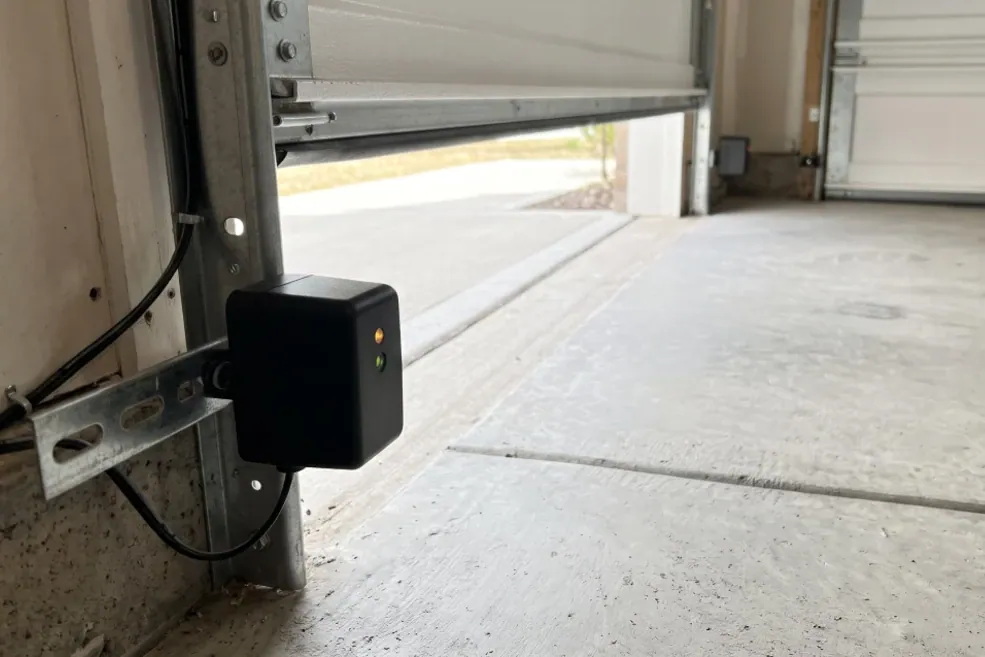
If cleaning did not work, take a closer look at the photo eyes. Safety sensors are photoelectric devices mounted near the floor on opposite sides of the garage door.
One sends an infrared beam across the opening while the other receives the signal. If that invisible beam is interrupted or the sensors are no longer pointing at each other, the system tells the door to reverse.
Look at the sensor lights while the garage door is open. Depending on the opener model, properly aligned sensors typically display steady indicator lights. A light that is off, blinking, or behaving differently from the other sensor can indicate an alignment, wiring, or power problem.
Do not assume every system should show the same color, such as solid green. Sensor light colors vary between manufacturers.
Inspect the visible wires running from each sensor. Look for loose connections, damaged insulation, or wires that look like they’ve been pulled.
Avoid attempting electrical repairs if you find damaged wiring. That is a good point to call a garage door technician.
Yes, the sun can sometimes mess with your garage door.
Strong direct sunlight hitting a photo eye sensor may interfere with its ability to receive the infrared signal. If the problem happens consistently at the same spot or time of day, sunlight may be contributing.
If the garage door reverses immediately after you press the remote or wall button, start by inspecting the sensors.
If the sensors look clean, aligned, and unobstructed, the opener may be detecting resistance elsewhere in the garage door system. The problem could involve the tracks, rollers, springs, travel limits, or force sensitivity.
That means it is time to do a little more detective work.
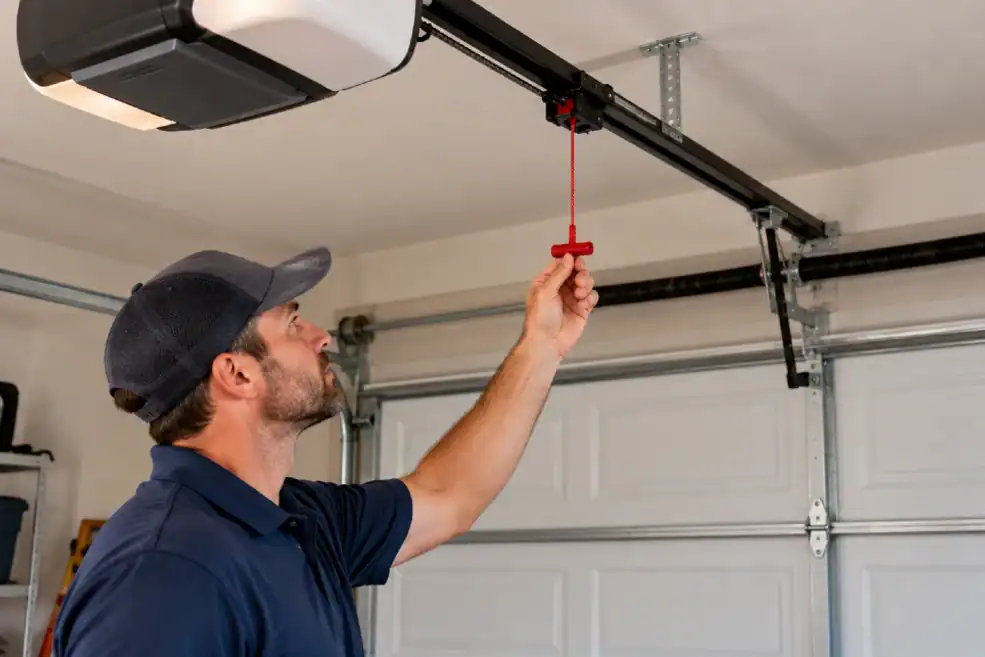
With the door completely closed, pull the emergency release to disconnect it from the opener. Then carefully lift and lower the door by hand to check how freely it moves.
The door should move relatively smoothly without jerking, dragging, or becoming unusually heavy.
If the door shakes, sticks in one spot, or takes significant effort to move, the problem may be mechanical rather than electronic.
Tracks guide the garage door as it moves. Bent tracks, loose hardware, worn rollers, or rollers that drag or jump can create resistance.
The opener may interpret that resistance as an obstruction, causing the door to stop and reverse.
Look for visible damage, loose hardware, or anything caught inside the track. Do not attempt to straighten severely bent tracks yourself, especially when the door is under tension.
Yes. Garage door springs counterbalance the door’s weight, letting the opener move it without doing all the heavy lifting.
Worn, damaged, or incorrectly balanced springs can change how much resistance the opener encounters during operation. This can cause unexpected reversing or uneven movement.
No. This is firmly in the “call us instead” category.
Garage door springs operate under significant tension, and adjusting them without proper training and equipment can cause serious injury. If the door suddenly feels heavy, hangs unevenly, or you notice a broken spring, stop operating it and arrange professional repair.
If your garage door and safety sensors appear to be working normally, the garage door opener itself may need attention. Two settings are particularly important when a door reverses unexpectedly: travel limits and force sensitivity.
Travel limits tell the opener how far the door should move before stopping. If the close-limit setting tells the opener to travel farther than necessary, the door may reach the floor, encounter resistance, and interpret that contact as an obstruction. The opener then reverses it. In other words, the door made it home and was told to keep going.
Travel limit adjustments vary by garage door opener, so check the manufacturer’s instructions for your specific model instead of guessing. Incorrect adjustments can interfere with the door’s safety reversal system, so if you’re unsure, leave this one to a professional.
Force settings control how much resistance the garage door opener will tolerate before stopping or reversing.
If the setting is too sensitive, normal resistance during closing may trigger the safety reversal system prematurely. If it is set incorrectly in the other direction, the door may not reverse when it should.
Because these settings are tied directly to safety, adjust them carefully and follow the opener manufacturer’s instructions.

After any adjustment or basic maintenance, test the safety reversal system before returning the door to regular use.
A properly functioning system should stop and reverse when it encounters an obstruction, per the manufacturer’s testing procedure.
Never bypass the garage door sensors or other safety features simply to get the door closing again. They exist to prevent injury and property damage.
If the wall switch works but your remote does not, the problem may have nothing to do with the door itself.
Start with the remote batteries. If replacing them doesn’t work, you may need to reprogram or replace the remote. Signal interference or a problem with the opener receiver can also prevent the remote from communicating properly with the system.
It can. During the winter months, colder temperatures can affect lubrication, metal components, and the rubber weather seal along the bottom of the door.
A stiff or frozen seal can create additional resistance when the door reaches the ground. Dirt, wind, and dust can also affect tracks, rollers, and sensors year-round.
Keeping moving parts properly lubricated and the area around the sensors and tracks clean can help reduce weather-related problems.
Wiping a sensor lens is very different from dismantling a garage door system.
Call a professional if you notice:
If you have tried the quick fixes and the door still cannot make up its mind, pressing the button again probably won’t change its mind.
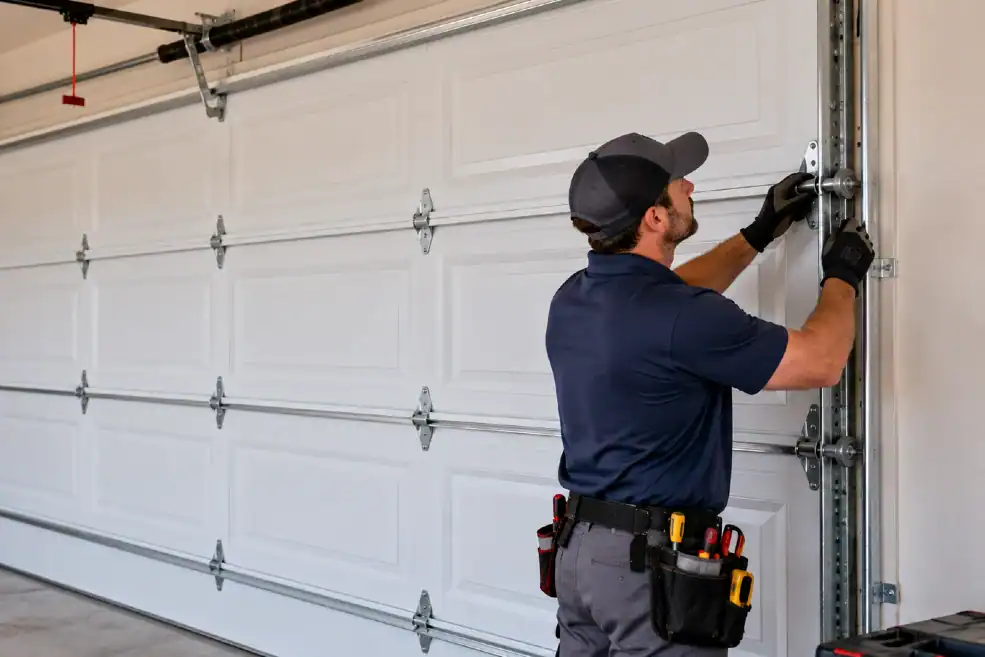
A garage door that keeps reversing is frustrating, but it also tells you something isn’t right. The problem could be as simple as dirty photo eyes or as involved as damaged tracks, worn springs, or incorrect opener settings. Finding the actual cause matters because your garage door is one of the largest moving systems in your house.
At Next Level Garage Doors, we diagnose the entire system instead of guessing. If your door keeps changing direction, contact us for professional garage door repair. We’ll figure out what is making it change direction and get it back to doing what a garage door should: opening when you want it open and staying closed when you want it closed.


