
Hail Damage to Garage Doors: What to Check After a Storm
September 18, 2026
When a hail storm rolls through Oklahoma, most homeowners look first at the roof, siding, windows, or car. The garage…



Most homeowners don’t give their garage door springs much thought — at least not until the door suddenly stops cooperating. One day the door opens nnormally, and the next, the garage door closes too fast, struggles to lift, or refuses to stay open at all. When that happens, the springs are usually the first place professionals look.
Garage door springs do the heavy lifting behind the scenes, helping control the door’s weight every time it moves. Their job is to store mechanical energy and release it in a controlled way so your garage door systems can operate safely and smoothly. Without properly working garage springs, even a powerful garage door opener would have trouble moving a heavy door.
In residential systems, you’ll typically find one of two designs doing this work: torsion springs or extension springs. Understanding the Garage Door Torsion Spring vs Extension Spring comparison can help you make smarter decisions about maintenance, safety, and long-term performance.
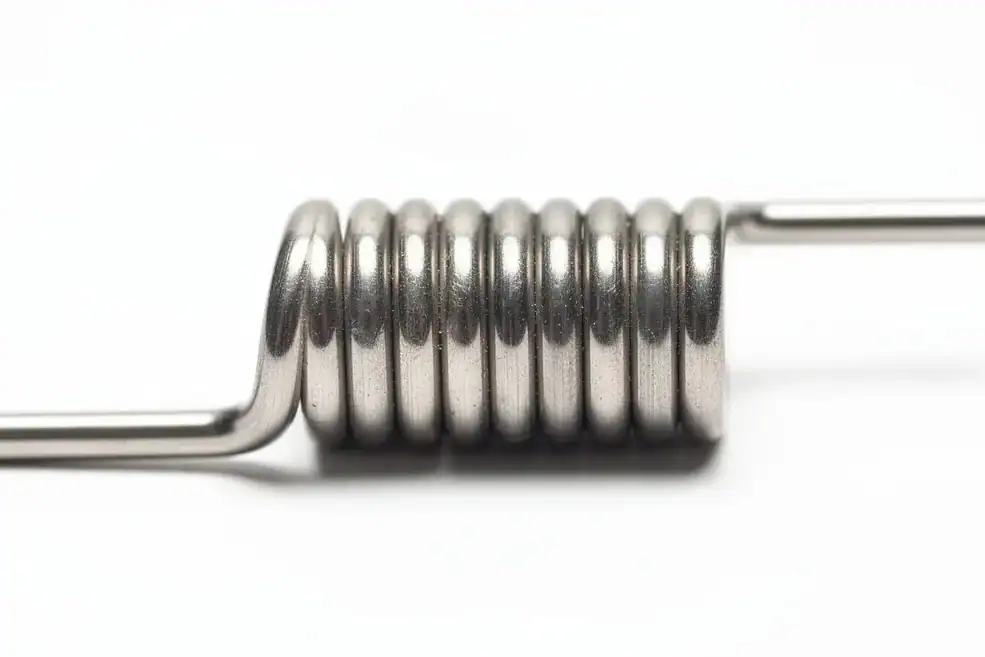
Torsion springs are considered the industry standard in many modern garage door installations. Instead of stretching, a torsion spring works by twisting along a metal shaft mounted above the garage door. As the door closes, the spring winds tightly and stores potential energy. When the door opens, that stored energy releases as rotational force to help lift the door smoothly.
Since torsion systems spread the door’s weight evenly across the shaft and cable drums, the whole system tends to run smoother and with less strain. This is one reason they’re commonly found on heavier garage doors and high-cycle applications.
Homeowners also tend to notice the quieter operation. With fewer moving parts experiencing constant stretching, torsion springs usually produce less vibration and less wear and tear over time.
If you’re standing inside your garage and want to identify one, look above the door opening. A torsion spring will be tightly wound around a horizontal metal shaft, positioned between the cable drums. The coils remain compact during operation rather than visibly stretching.
Because of their unique design and longer lifespan, torsion springs offer several advantages and are often viewed as the premium solution for residential garage door systems.
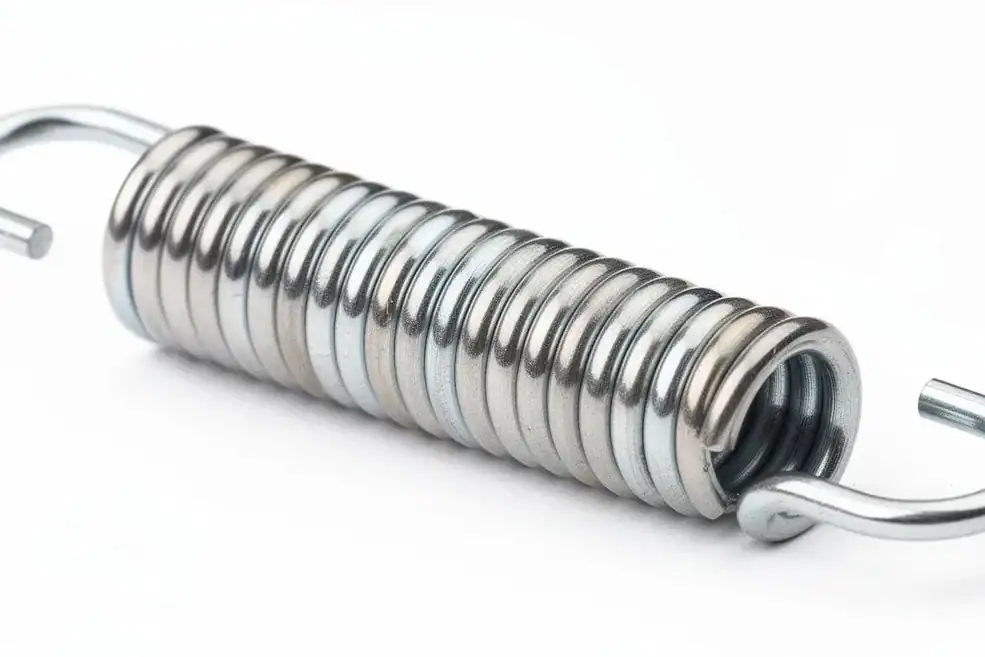
Extension springs take a different approach to lifting the door. Instead of twisting, these springs store energy through constant stretching. When the garage door closes, the springs extend and build tension. When the door opens, they pull back toward their original position, helping lift the door.
You’ll usually find extension springs mounted along the horizontal tracks on both sides of the garage door. Most systems use two springs working together to balance the door’s weight. This paired setup is essential for keeping the door moving evenly.
One of the main reasons extension springs are still commonly found in homes is simple: cost. They are typically a more affordable option upfront and can be a practical choice for homeowners working within a tighter budget. They’re also well suited for garages with limited headroom where installing a torsion shaft may not be feasible.
Visually, extension springs are easy to recognize. They appear long and narrow and visibly stretch when the door closes. You may also notice variations in the ends. Some models use cone ends, while others feature looped ends — details that matter when planning a replacement.
While extension springs provide a cost effective solution, they typically have a shorter lifespan compared to torsion systems and often require more frequent replacements.
When homeowners compare torsion vs extension setups, the differences usually come down to durability, safety, maintenance, and long-term value.
Torsion springs generally last longer. Because they rely on controlled twisting instead of constant stretching, they experience less fatigue over time. Many standard torsion springs are rated between 15,000 and 30,000 cycles when properly maintained. Extension springs usually fall closer to the 10,000-cycle range and may show wear sooner.
Safety is another important consideration. Both types operate under significant tension, but extension spring breaks can create higher safety risks if containment cables are missing. When an extension spring fails, the stored mechanical energy can cause the spring to whip. Torsion systems, by contrast, are mounted on a shaft, which typically keeps the break more contained.
Upfront cost is where extension springs often appeal to homeowners. They are usually the more affordable option to install initially. However, torsion systems often prove more cost effective over time because they tend to require less maintenance and fewer frequent replacements.
Maintenance demands differ as well. Torsion springs typically need less ongoing attention, while extension systems — with their constant stretching and additional components — often benefit from more regular inspection.
There’s also the impact on your garage door opener to consider. When springs are properly balanced, they reduce the force needed from the opener. A well-calibrated torsion setup usually places less strain on the opener, which can help extend its service life.
Choosing the right door spring comes down to your door, your garage space, and how you use the system day to day.
For heavier garage doors or households that cycle the door frequently, torsion springs are usually the better long-term investment. Their smooth operation and longer lifespan make them well suited for modern insulated doors and busy garages.
Extension springs still have their place. If your garage has limited headroom or you need a more affordable option upfront, they can be a practical solution when properly maintained.
If you’re considering converting from extension to torsion, it’s best to involve a professional. The process requires precise measurements, proper shaft sizing, and specialized tools to ensure safe, balanced operation.
Garage door springs rarely fail without warning. Most systems give clear signs that replacement is approaching.
Homeowners often notice the garage door closes too quickly, the door opens unevenly, or the door won’t stay open. In some cases, you may see visible gaps forming in the spring coils. A sudden loud bang in the garage is another common indicator that a spring has broken.
If a spring does break, stop using the door immediately. Continuing to operate the system can overload the door opener and damage other components. At that point, professional garage door spring replacement is the safest next step. Contact a qualified technician who can inspect the system and make sure the new spring is properly matched and installed.
Routine inspection doesn’t take long but can prevent bigger repairs. Every few months, take a careful look at the springs and surrounding hardware.
Check for gaps in torsion spring coils, rust buildup, fraying lift cables, and signs of cable drum wear. Also pay attention to sound and movement. If the door suddenly becomes jerky or unusually loud, the springs work harder than they should.
It’s also helpful to consider your cycle count. If your household uses the garage frequently, the springs may reach their rated expectancy sooner than expected.
Extension springs typically win on initial cost. However, torsion systems often deliver better long-term cost effectiveness thanks to their longer lifespan and reduced maintenance needs.
Keeping either spring properly maintained is straightforward: periodic lubrication, occasional visual inspection, and annual professional service go a long way toward preventing premature wear.
If your garage door is showing signs of spring wear, don’t wait for a full break. Worn springs place extra stress on your entire garage door system and can lead to bigger repairs.
Professional garage door spring replacement ensures the right spring, proper tension, and safe, reliable performance. If your springs are showing signs of wear, now’s the time to act.
The Next Level team can inspect your system, recommend the right fix, and get your garage door running smoothly again. Reach out today to schedule your garage door spring replacement and request your free estimate.


